


Angebotsanfrage
Wenden Sie sich an unseren Experten, um die beste Lösung für Ihre Anforderungen zu finden.
Find engine testing tools for compression, cylinder leakage, oil pressure, exhaust back pressure and charge-air leaks. Select the test first, then check the measuring range, units and adapters.
Start with the quantity the workshop needs to measure. Cranking compression, cylinder leakage, running oil pressure and exhaust back pressure call for different connections and instruments. A wide gauge range or a large adapter count cannot turn one test into another. Select the tool by the service procedure, expected range and the point where the instrument connects.
Compare the VT01053B petrol compression tester, listed at 0–300 psi, with the VT01051 diesel compression tester, listed at 0–1,000 psi. Those figures describe the instrument range; they are not target engine readings. Check the prescribed spark plug, glow plug or injector connection as applicable and verify thread, reach and sealing arrangement against the engine procedure.
A leak-down setup uses a regulated air supply and a specified test method to assess leakage under the conditions set out for the tool and engine. The VT18343 compression and leak tester kit is an example of a combined assortment; confirm which parts belong to each test. For oil circuit checks, see the VT18999 engine and transmission oil pressure set. A separate VTS1006 exhaust back pressure tester addresses exhaust restriction checks, where the measurement point and operating conditions affect interpretation.
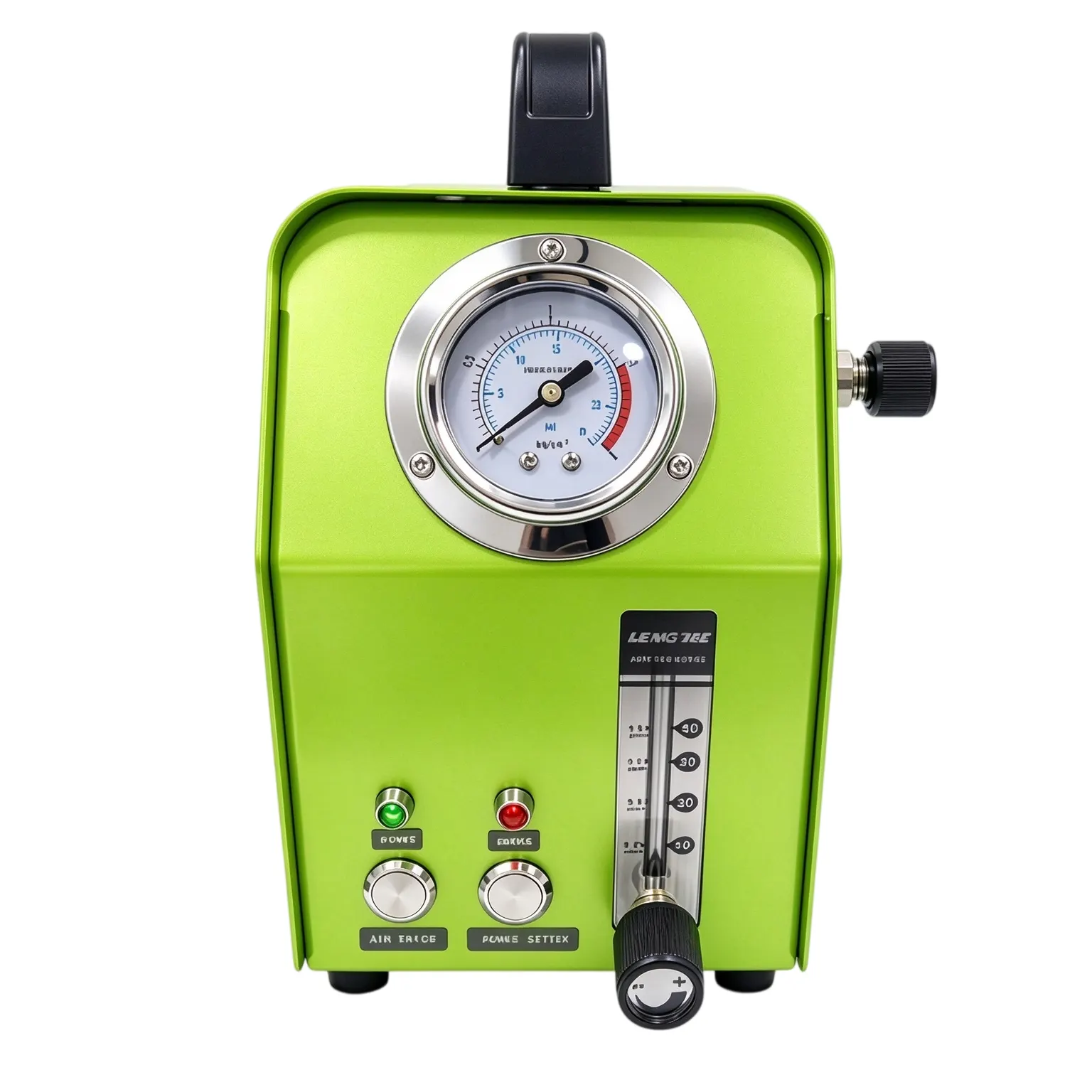
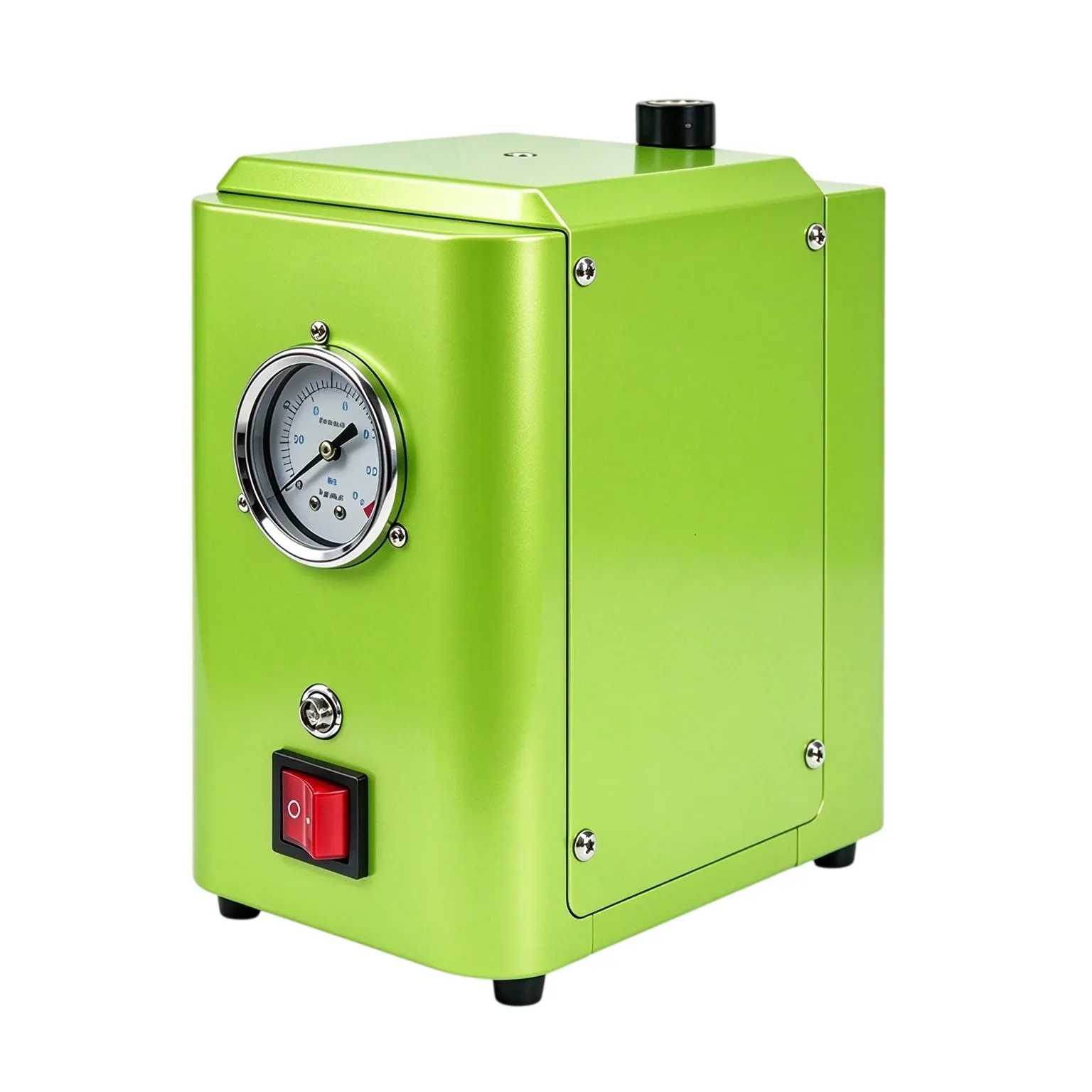
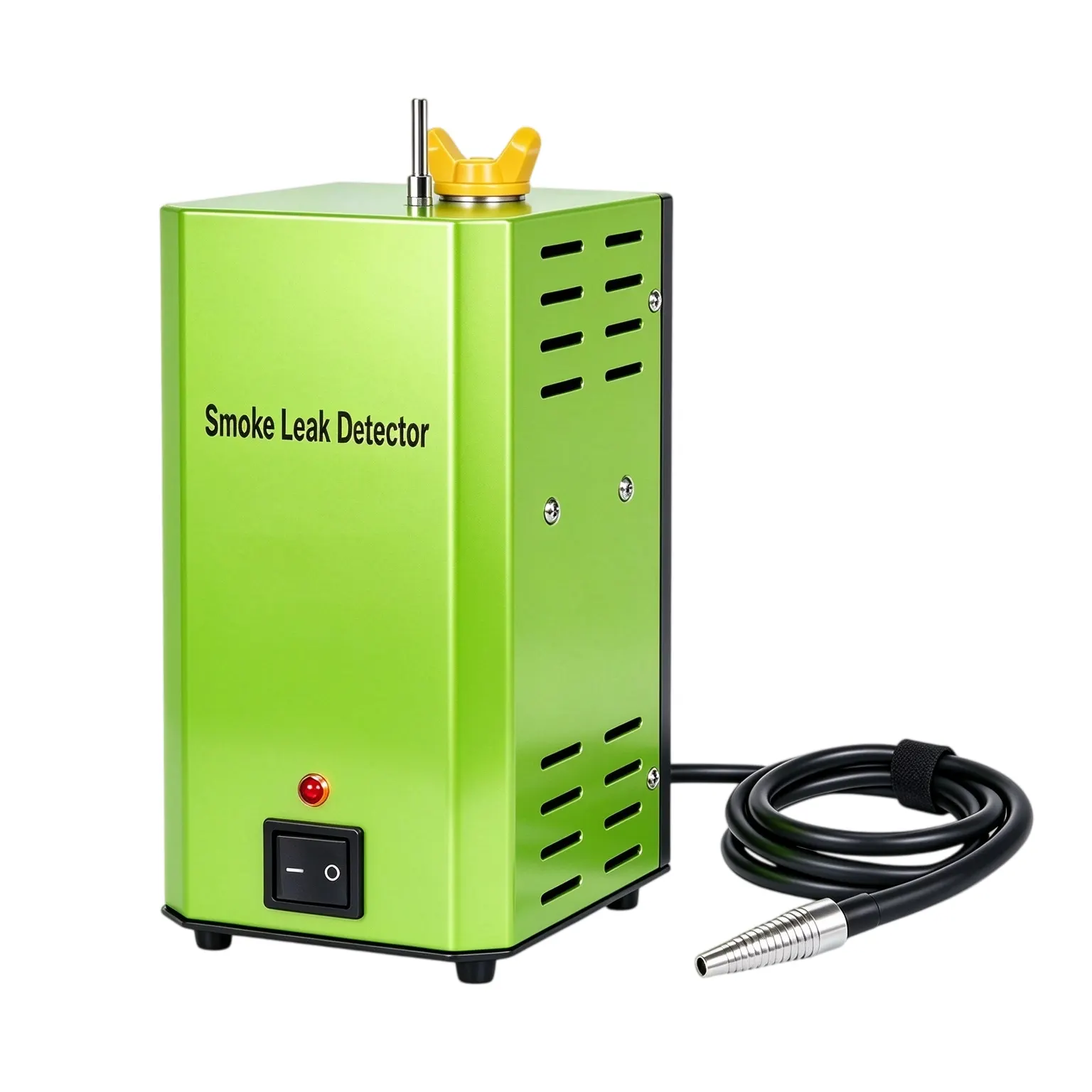
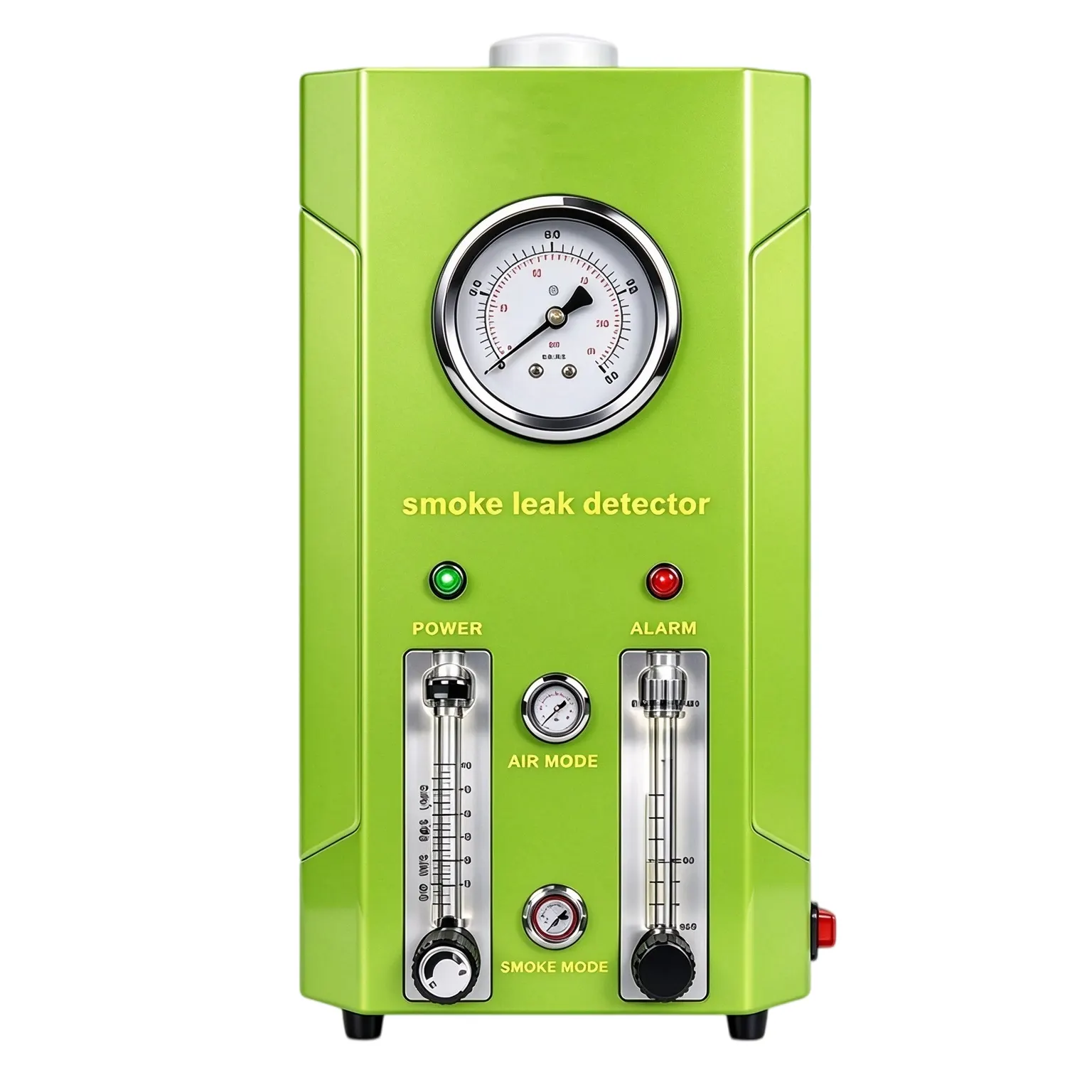
For a charge-air pressure leak check, compare the connection sizes, the regulation arrangement and the applicable test limit. The VT14115F boost-system pressure leak tester is one reference for this group. A smoke detector helps identify leak locations according to its design; it is a separate choice from a gauge selected to read a particular pressure accurately.
State the test method, scale and units, supported connection types, adapter dimensions and any separate air supply or regulator needed. List the fittings that are actually included. If your customers use different workshop manuals, show the instrument’s units as marked instead of rounding a converted value and presenting it as a limit for the vehicle.
Browse the broader engine service tool range, oder send us the test type, measuring range and adapter requirements for a wholesale quote.
Only if the manufacturer specifies the diesel application and the instrument and adapters cover it. A petrol gauge and its hoses can have a different range and connection from those required for diesel work.
No. Compression testing measures pressure built up during cranking. A leak-down test evaluates leakage under controlled input conditions. The readings have different units or scales and must be interpreted by their respective procedures.
No. Check the needed range, resolution, units, hose and fitting ratings, and connection. A high maximum range alone does not help when the shop needs a readable result at a much lower pressure.
Choose equipment specified for the medium, temperature, operating range and connection of the test. A shared dial unit does not make the hose and fittings suitable for exhaust use.
Yes. Differences can come from instrument condition, scale resolution, adapter or hose leakage and how the test was performed. Compare under the same procedure with suitable equipment before drawing a conclusion about the vehicle.
Provide the engine code and the service procedure’s intended access point. Confirm the connection thread, sealing surface and working reach rather than just the nominal diameter.
It depends on the vehicle’s diagnostic procedure and the equipment specified. Smoke is used to help locate leaks, while a boost-system pressure leak test has its own connection, regulator and limit requirements.
Wenden Sie sich an unseren Experten, um die beste Lösung für Ihre Anforderungen zu finden.