Chave de Filtro de Óleo da Caixa de Redução da Unidade de Acionamento
Por que os veículos elétricos da Tesla usam uma chave de filtro mesmo sem um motor
| Tipo de Artigo | Aplica-se a | Referência de Ferramenta | Status |
| Base de Conhecimento / Explicador de Serviço | Veículos Tesla com unidades de tração elétrica usando filtragem de óleo de caixa de câmbio | Chave de filtro estilo soquete de 14 dentes, 63,5 mm; peça de serviço da Tesla nº 1130484-00-A (de acordo com a imagem da fonte) | Para explicação de manutenção e serviço |
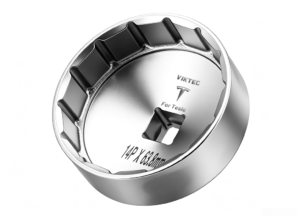 Figura 1. Chave de filtro de unidade de acionamento estilo soquete mostrada na imagem de origem.
| Resposta Principal
Embora os veículos Tesla não tenham um motor de combustão interna ou óleo de motor, algumas unidades de acionamento contêm um caminho de filtração de óleo de caixa de câmbio. A chave é usada para o filtro de óleo do redutor / caixa de câmbio da unidade de acionamento, não para um filtro de óleo de motor. |
1. Para que serve esta ferramenta
| Campo | Entrada da Base de Conhecimento |
| Uso principal | Remoção e instalação do filtro de óleo da caixa de câmbio da unidade de acionamento elétrica. |
| O que não é | Não é para um filtro de óleo de motor; veículos Tesla não usam um sistema de óleo de motor a gasolina. |
| Geometria da ferramenta | Chave de filtro estilo soquete de 14 dentes, 63,5 mm, projetada para engajar a carcaça do filtro de maneira uniforme. |
| Por que uma chave dedicada é usada | A carcaça do filtro tem acesso limitado e precisa de torque uniforme. Um soquete correspondente reduz escorregamentos, danos aos dentes, vazamentos de óleo e rachaduras na carcaça. |
Na imagem fonte fornecida, a chave corresponde ao conjunto do filtro da unidade de acionamento. A imagem rotula a ferramenta como uma chave de filtro estilo soquete de 14 dentes, 63,5 mm, específica para Tesla, com o número da peça de serviço 1130484-00-A.
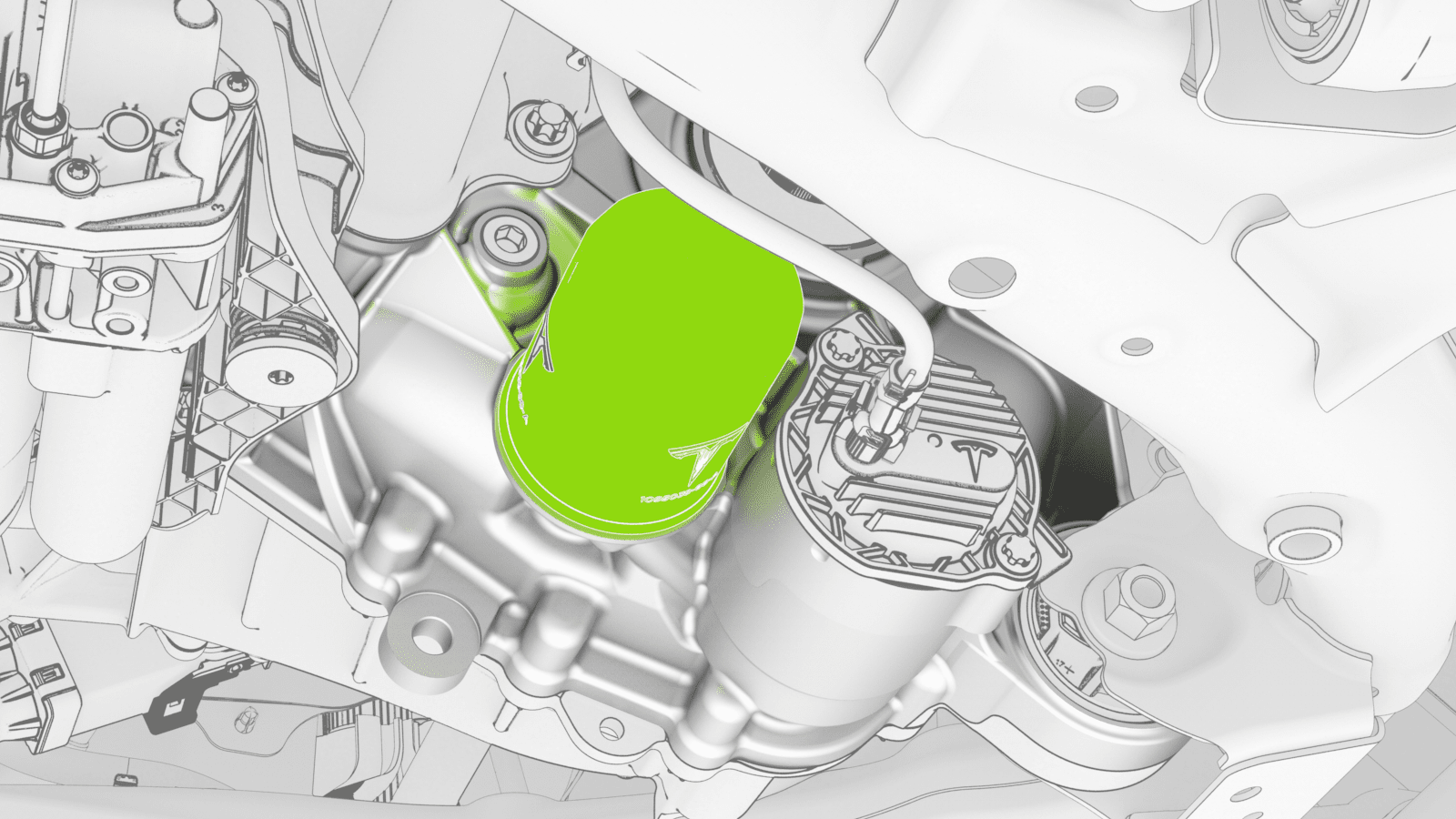
Figura 2. Localização do filtro da unidade de acionamento Tesla mostrada na ilustração de serviço.
2. Por que um EV tem um filtro de óleo da caixa de câmbio
- Filtrar detritos de desgaste metálico: Engrenagens e rolamentos dentro da unidade de acionamento se entrelaçam sob carga. O desgaste normal pode gerar partículas metálicas finas. O filtro de óleo captura contaminantes antes que eles circulem através de engrenagens, rolamentos e vedações.
- Apoiar o resfriamento e a lubrificação: O óleo da unidade de acionamento não é apenas um lubrificante. Ele também ajuda a mover o calor para longe das partes rotativas de alta carga e apoia a operação estável do motor elétrico e do conjunto redutor.
- Prolongar a vida útil da unidade de acionamento: Óleo limpo reduz o desgaste abrasivo, ajuda a preservar superfícies de vedação e diminui o risco de ruído, superaquecimento e danos prematuros ao redutor ou rolamento.
3. Quando o filtro é normalmente mantido
| Nota de Manutenção
O texto fonte afirma que este é geralmente um filtro de óleo de longa duração e não é substituído com frequência em uso doméstico rotineiro. A substituição está tipicamente associada a serviço severo, ruído anormal, vazamento, trabalho de reparo ou desmontagem da unidade de acionamento. |
| Situação do serviço | Por que o filtro é importante | Ação típica |
| Uso normal | O filtro permanece parte do circuito de óleo da unidade de acionamento fechada. | Nenhuma substituição frequente indicada pelo texto de origem. |
| Uso em estradas difíceis / alta carga | Contaminação e carga térmica podem aumentar com o tempo. | Inspecione durante o serviço se existem sintomas ou outros gatilhos de serviço. |
| Problema de ruído, vazamento ou qualidade do óleo | A restrição do filtro ou contaminação pode contribuir para uma lubrificação inadequada. | Substitua o filtro e o óleo da unidade de acionamento conforme indicado pelo procedimento de serviço. |
| Reparo ou desmonte da unidade de acionamento | O sistema de óleo é aberto e o controle de contaminação se torna crítico. | Use a chave de filtro dedicada para remover / instalar o filtro corretamente. |
4. Orientações para manuseio da ferramenta
- Confirme o alvo do serviço — Identifique o filtro de óleo da caixa de engrenagens da unidade de acionamento. Não confunda este componente com um filtro de óleo de motor convencional.
- Use a soquete de 14 dentes correspondente — Coloque a ferramenta completamente sobre a carcaça do filtro para que a carga seja distribuída uniformemente pelos dentes.
- Controle o torque — Use uma chave de torque onde uma especificação de serviço é fornecida. Evite ferramentas de impacto, a menos que o procedimento oficial as permita explicitamente.
- Previna a contaminação — Mantenha o filtro, a superfície de vedação e a área ao redor limpos. A contaminação que entra no caminho do óleo da unidade de acionamento pode acelerar o desgaste.
- Inspecione após a instalação — Verifique se há assentos, dentes danificados, rachaduras na habitação, deformação de juntas e vazamento de óleo.
5. Perguntas frequentes
P: Um Tesla precisa de uma chave de filtro de óleo do motor?
R: Não. A chave descrita aqui é para um filtro de óleo da unidade de tração / caixa de câmbio, não para um filtro de óleo do motor.
P: Por que a unidade de tração precisa de óleo?
R: A unidade de tração contém engrenagens e rolamentos. O óleo lubrifica superfícies de contato, transporta calor e transporta detritos de desgaste para o filtro.
P: Este filtro é substituído com a mesma frequência que um filtro de óleo do motor?
R: Não. O texto fonte descreve-o como um filtro de longa duração, geralmente mantido apenas durante reparos, serviços severos ou cenários de condições anormais.
P: Uma chave de cinta ou alicate pode ser usada em vez disso?
A: Uma ferramenta não compatível pode escorregar ou concentrar força na carcaça. A chave de soquete dedicada é preferida porque aplica força uniformemente nos dentes do filtro.
6. Mapeamento de origem a partir do arquivo fornecido
| Campo | Entrada da Base de Conhecimento |
| Pergunta original do usuário | Um veículo Tesla também precisa dessa chave de filtro? Para que serve, já que não há motor? |
| Resposta traduzida | Sim, a ferramenta pode ser necessária, mas é usada para o filtro de óleo da caixa de câmbio da unidade de tração em vez de um filtro de motor. |
| Principal distinção técnica | A filtragem de óleo do motor é diferente da filtragem de óleo da caixa de câmbio da unidade de tração elétrica; os fluidos, funções e ferramentas não são os mesmos. |
| Resumo prático | Sem motor significa sem circuito de óleo do motor, mas a unidade de acionamento elétrico ainda possui engrenagens, óleo lubrificante e requisitos de filtragem. |
Controle de documentos
Versão 1.0 | Idioma: Inglês | Base: captura de tela chinesa fornecida | Uso pretendido: explicador voltado para o cliente ou artigo de base de conhecimento interna.
Apêndice: Imagem de origem fornecida
As imagens abaixo são segmentadas da referência de origem fornecida pelo usuário. Figuras recortadas neste documento foram extraídas desta captura de tela.