
Solicitação de Orçamento
Entre em contato com nossos especialistas e obtenha a melhor solução para suas necessidades.
Compare O2 sensor sockets, lambda sensor wrenches and thread chaser sets for exhaust sensor service. Start with the sensor hex, then check access around the wire and the space available for the handle.
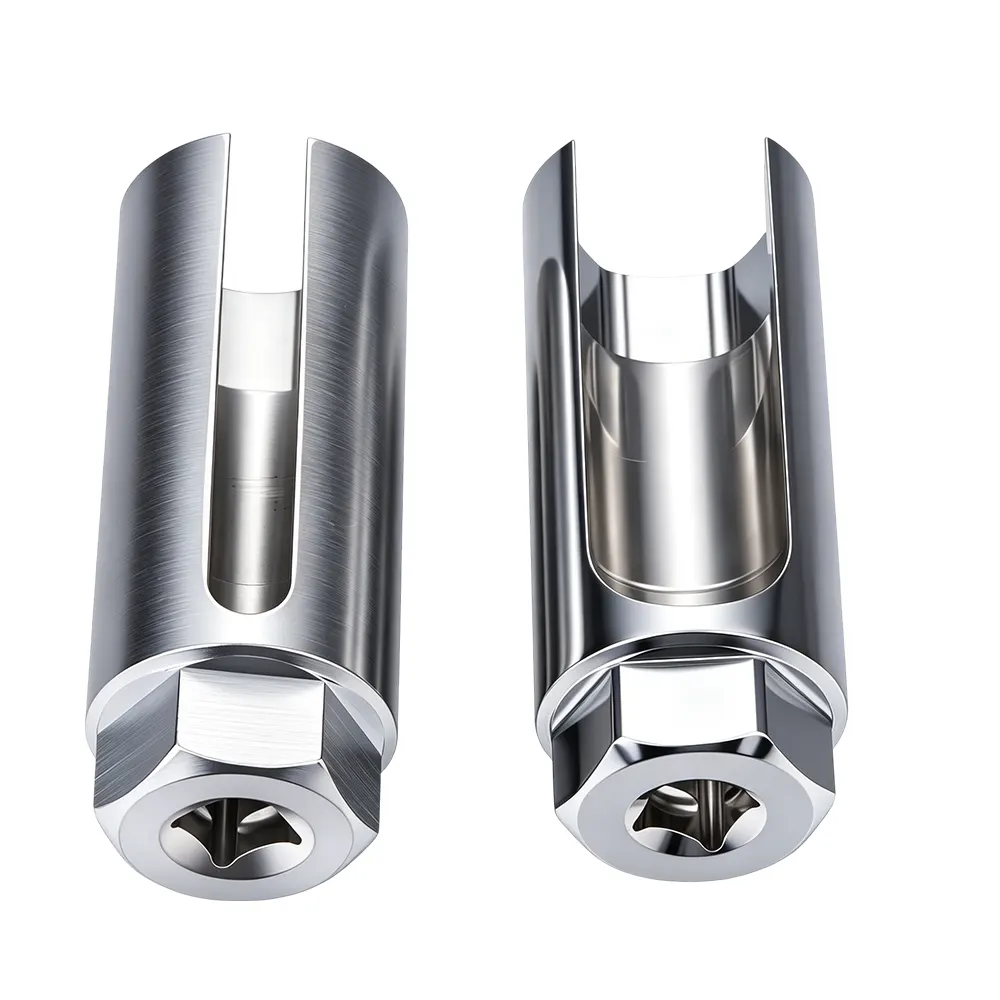
An O2 sensor socket has to seat on the hex without trapping the leads. Measure the hex across the flats, then check how much room the shop has above and beside the sensor. A 22 mm label does not tell you whether the socket clears an exhaust shield or lets the ratchet move. A short slotted socket, deep lambda sensor socket and swivel wrench address different access problems even if their openings are similar.
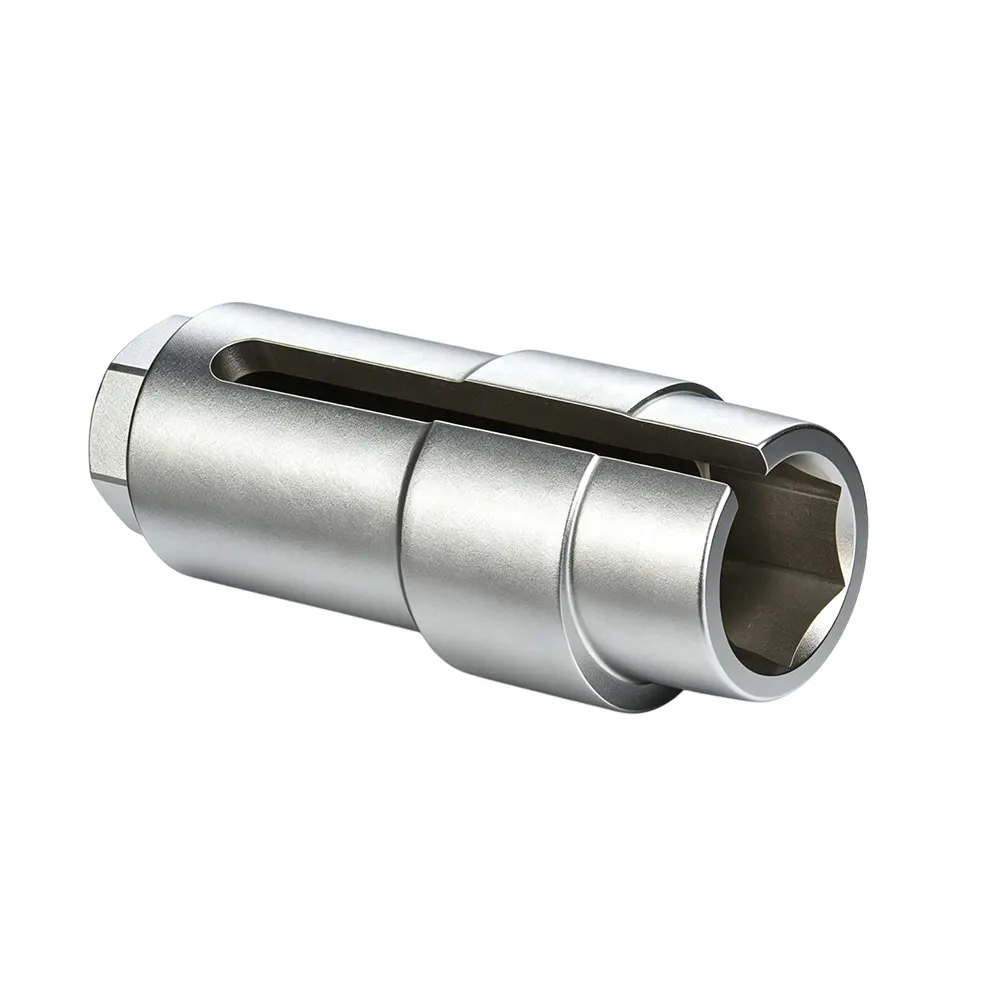
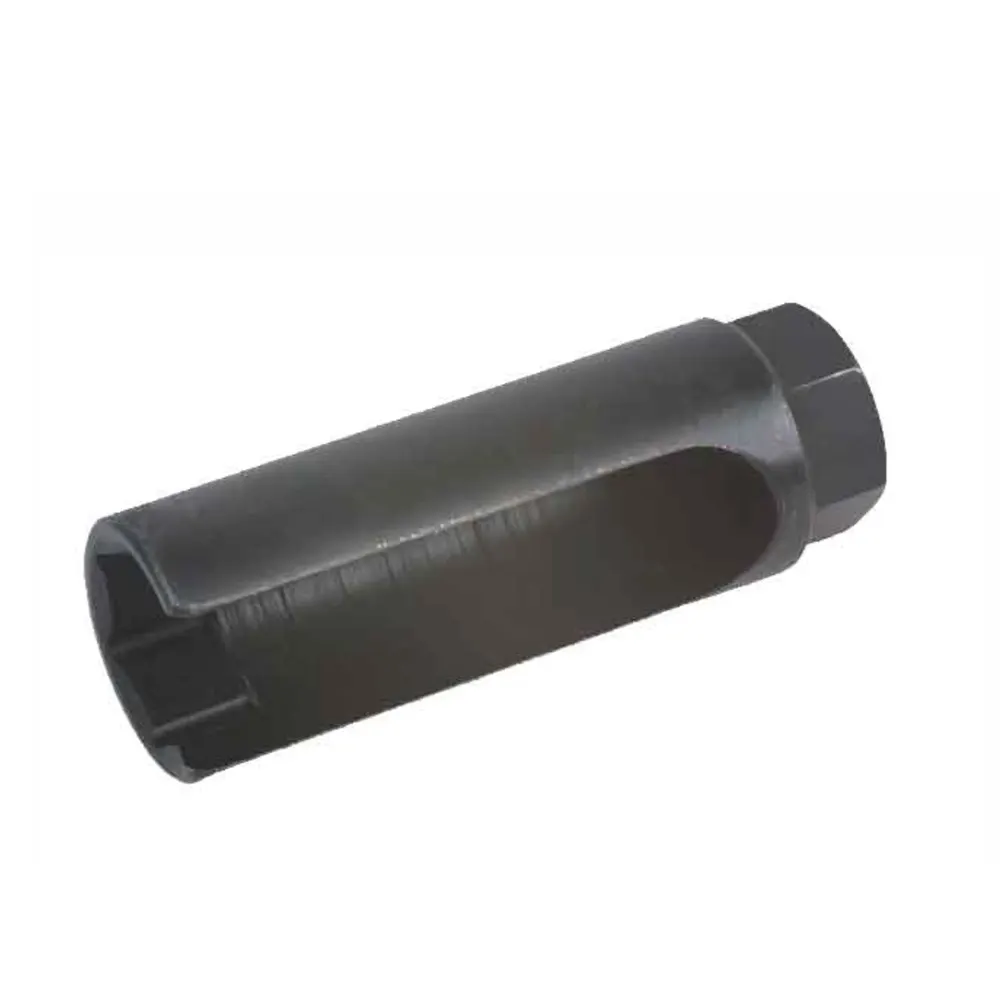
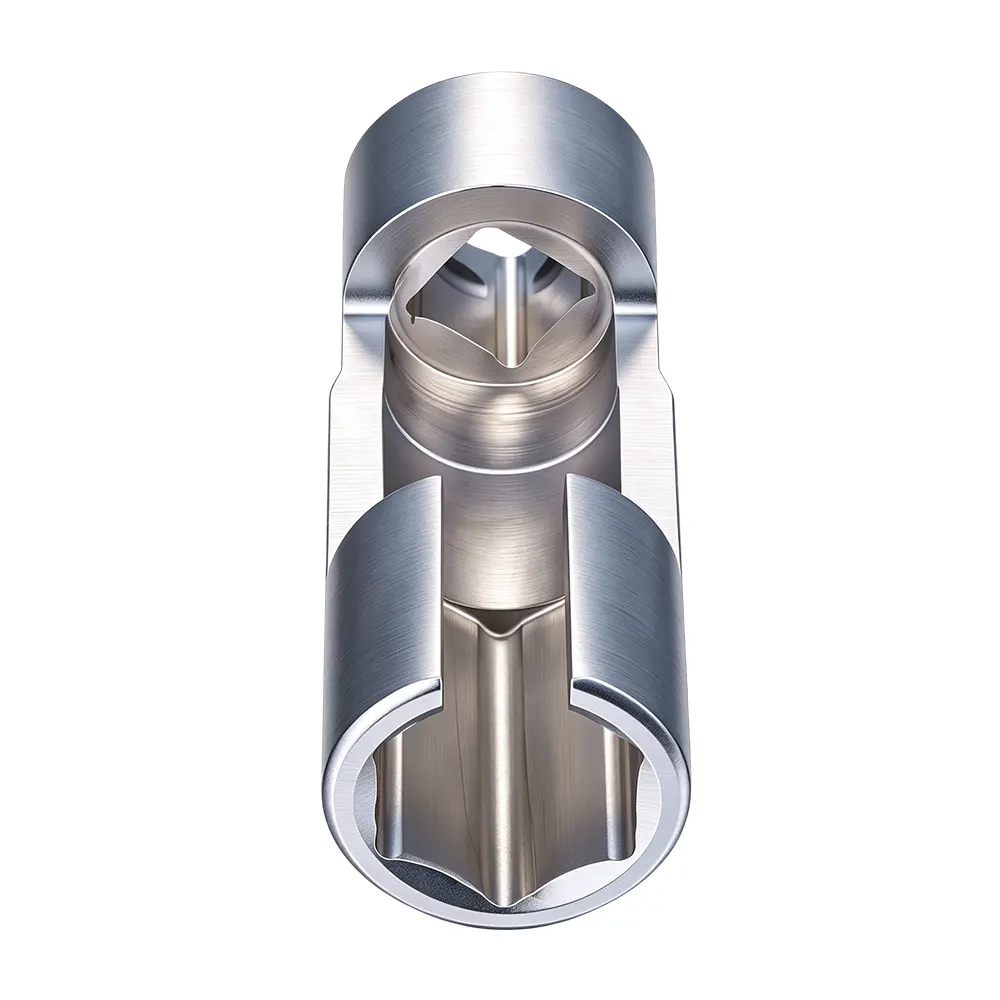
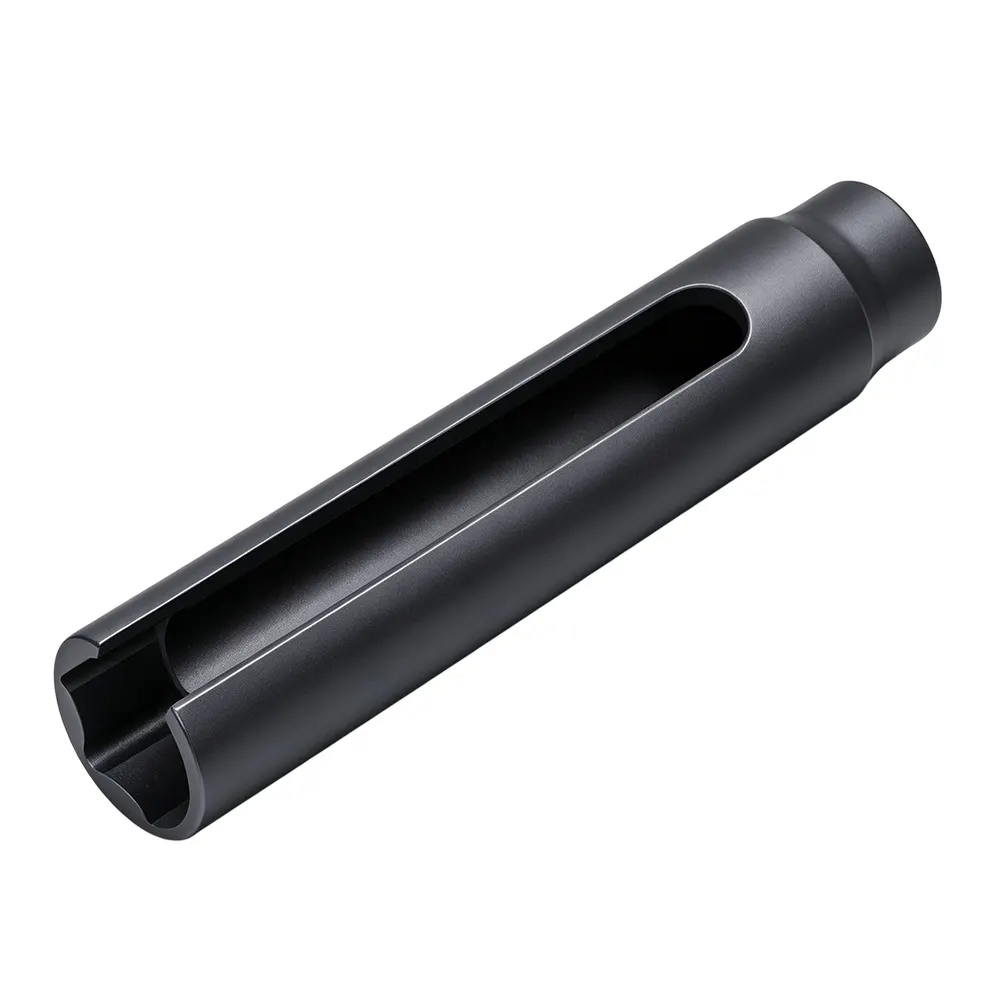
O VT18136 7/8-inch slotted oxygen sensor socket is one catalogue example for passing leads through a side opening. Check the socket shape and the route the wire and connector must take. Where the body extends into the tool or the hex sits below an adjoining surface, compare the VT01949 80 mm deep lambda sensor socket. Verify both overall length and internal clearance; long reach is no help if the drive has nowhere to go.
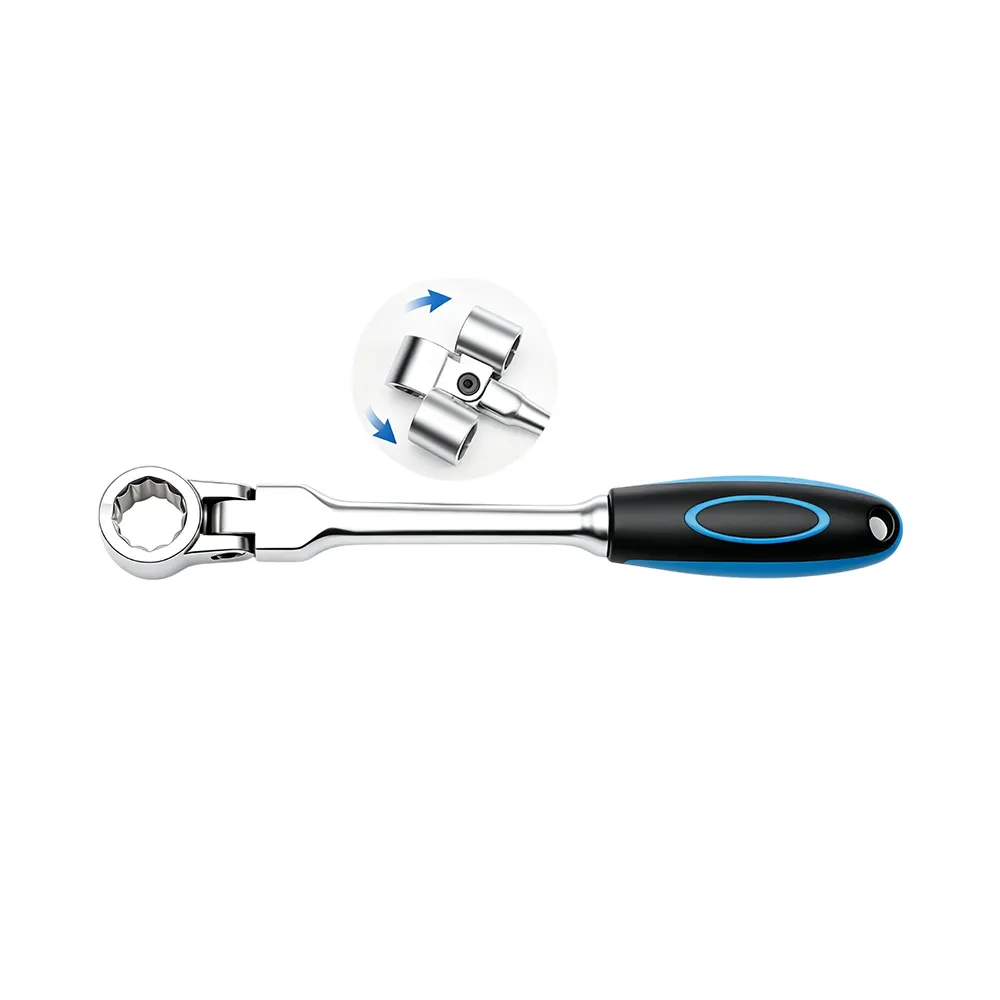
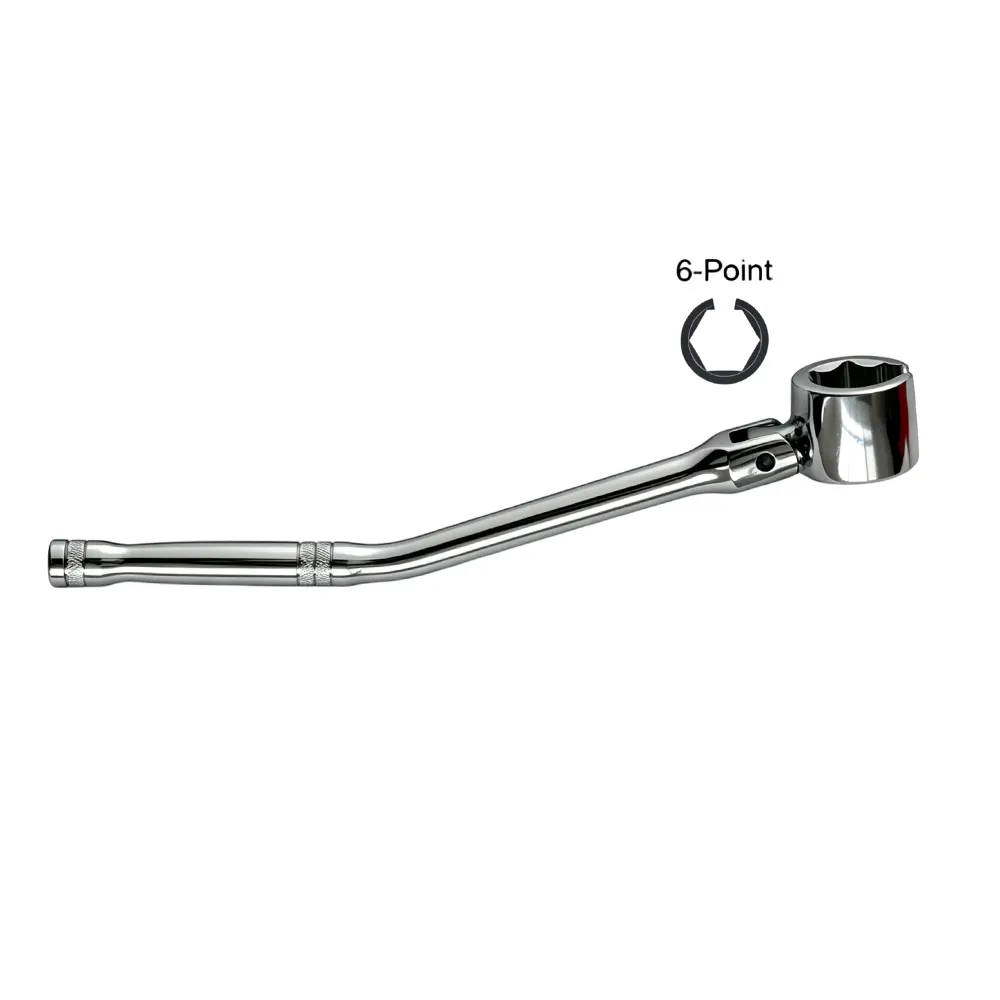
Where the handle must approach from the side or swing at an angle, compare the VT13072 double-ended 22 mm swivel wrench. The relevant measurements include clearance around the head and room for the handle, not just the hex. Check the tool’s intended use before selecting a drive method; a slotted socket can spread or deform if used beyond its design.
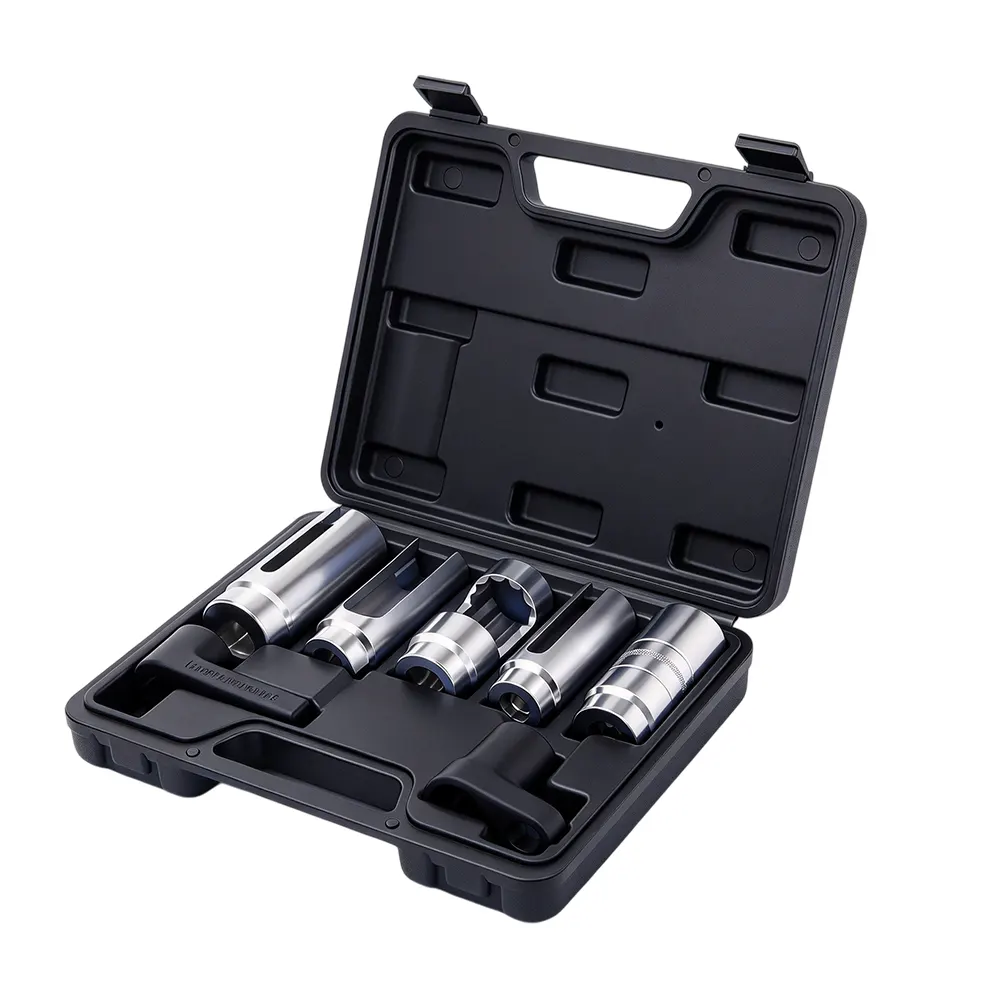
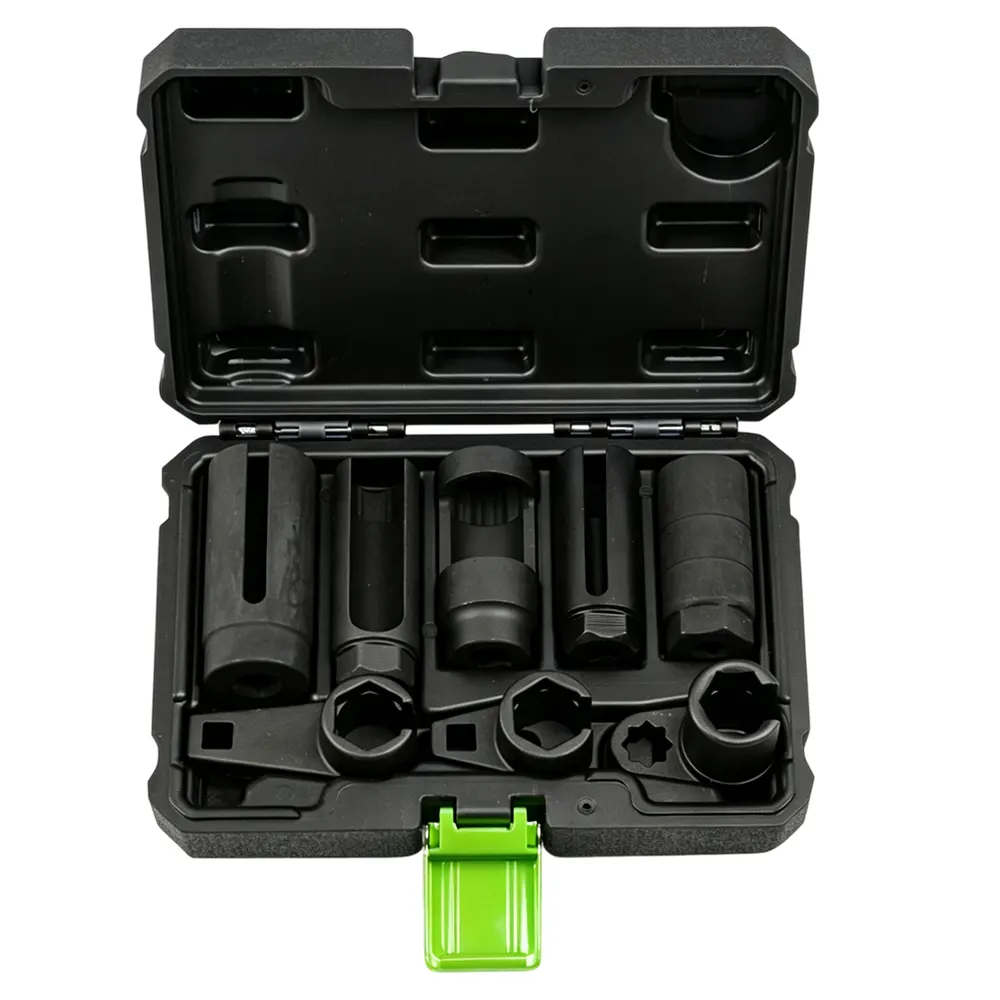
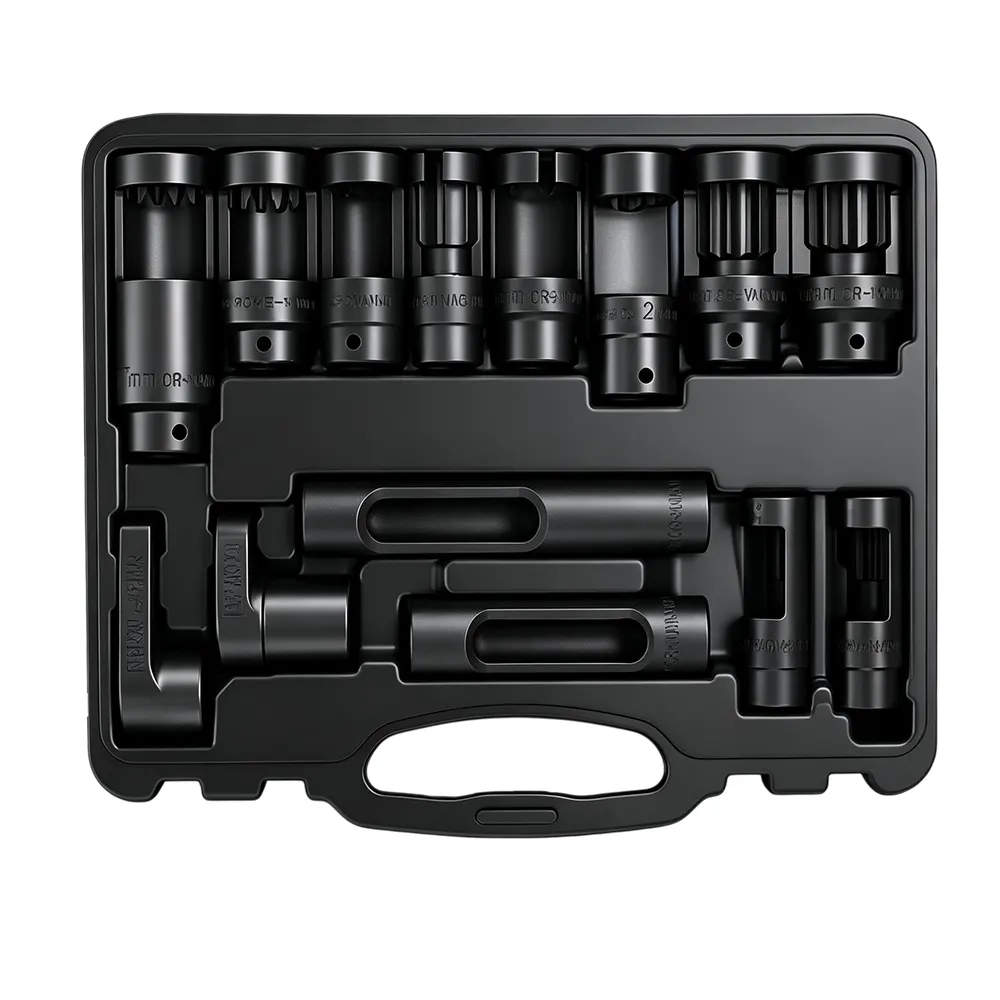
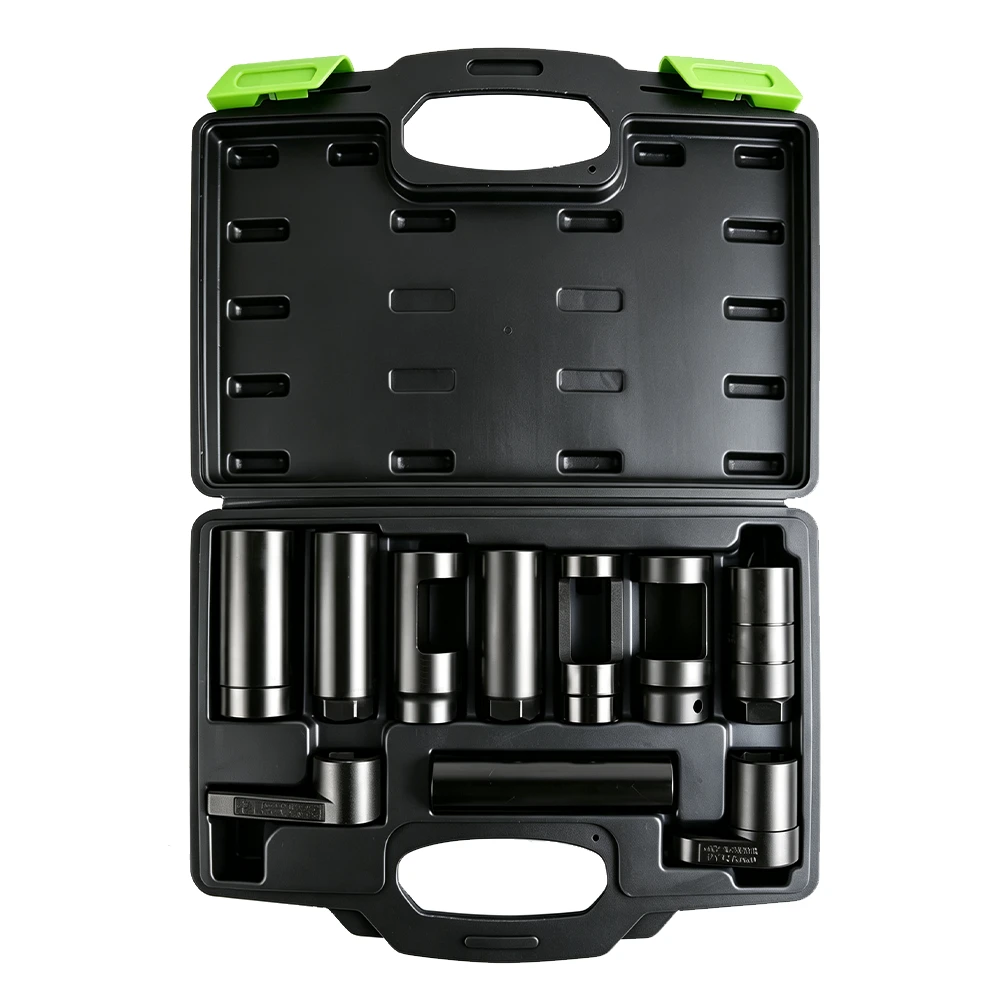
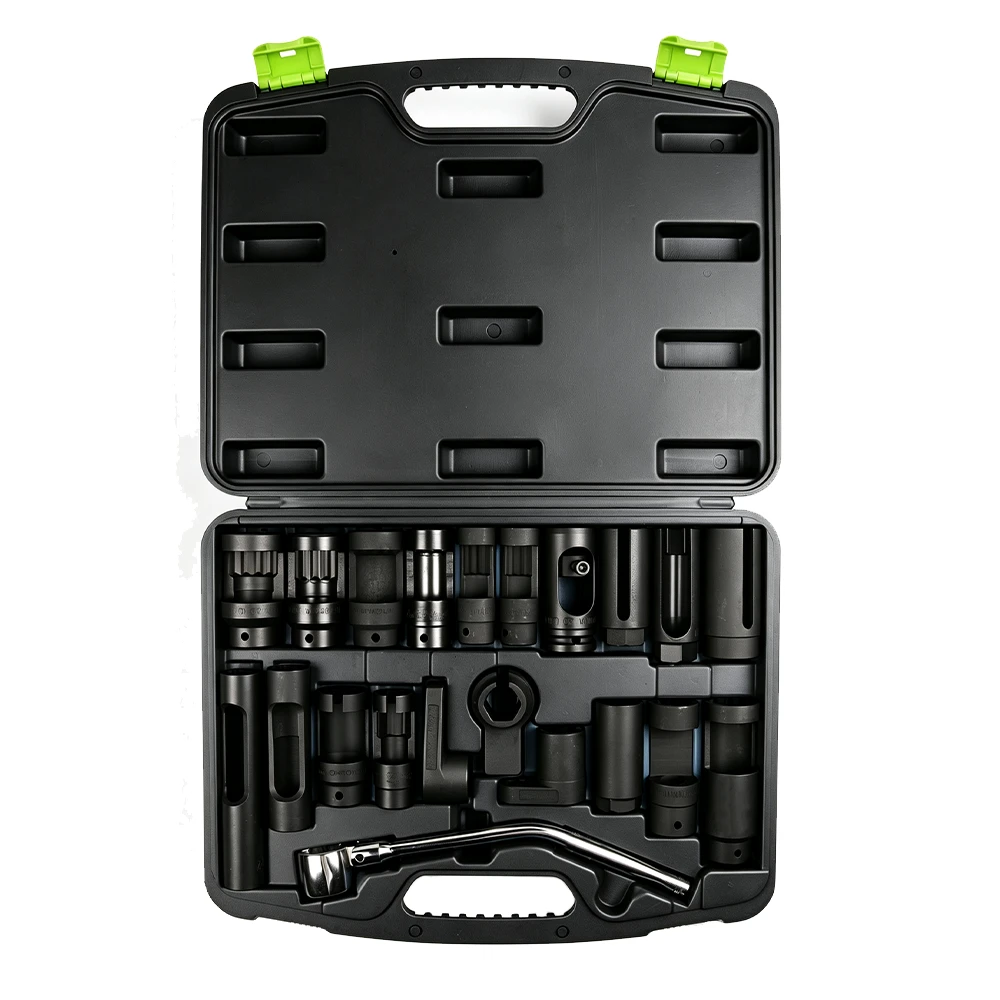
O VT01945D oxygen sensor socket and thread chaser set groups socket service with a separate thread-cleaning tool. Confirm the bung thread and the chaser’s listed specifications. Cleaning an existing thread and repairing material damage are different jobs. Multi-piece sensor kits can also include sockets for oil pressure switches or injectors, so separate those parts in the product listing rather than counting them as additional oxygen sensor coverage.
Record the nominal hex, socket drive, reach, outside clearance and access direction for each workshop request. Note whether there is a need to route a wire, whether the sensor sits behind shielding and whether a thread chaser is part of the order. For a distributor range, a short socket, a deeper format and an angled option cover different requests even when all target the same nominal hex. Browse the engine service tool catalogue for other equipment, or request a trade quote for the socket sizes and formats on your list.
No. Seven-eighths of an inch is 22.225 mm. The two labels appear in listings for similar applications, but verify socket seating and the actual sensor hex rather than assuming a measured fit.
Use the available approach as the first filter. A short or offset design may help when a bracket blocks room above the sensor; a deep socket may help when the tool must clear a longer body or recess.
The square drive identifies the handle or ratchet interface. The hex opening identifies the sensor interface. Record both when you make a purchase list.
A chaser is for cleaning or restoring the profile of an existing thread within the tool’s intended use. Material loss or heavy damage requires inspection and repair according to the vehicle or component maker’s instructions.
Compare the mix with the work your customers actually do. A mixed set can handle several sensor types, while an individual model can be a better way to stock a frequently used reach or offset.
Send hex size, available space above the hex, nearby obstacles, the lead exit direction and the handle approach. A photo of the installation can clarify which dimensions matter most.
Entre em contato com nossos especialistas e obtenha a melhor solução para suas necessidades.