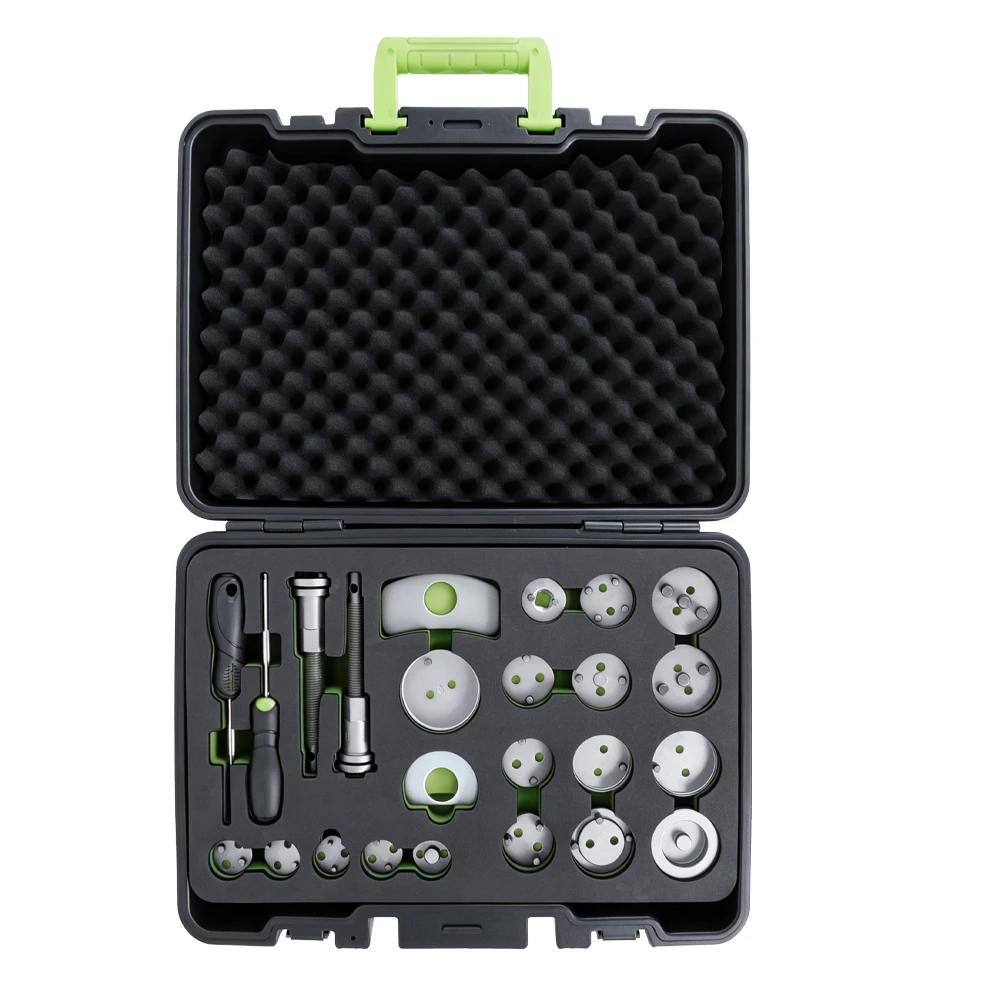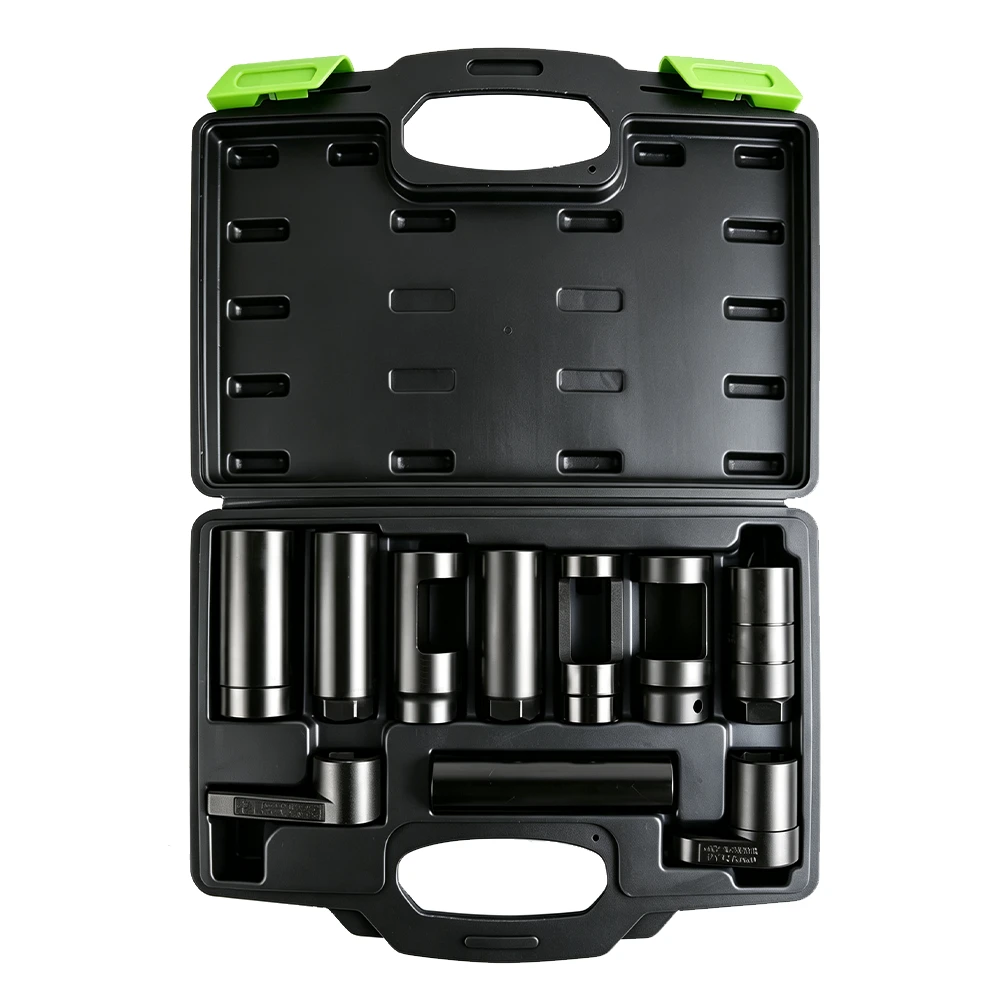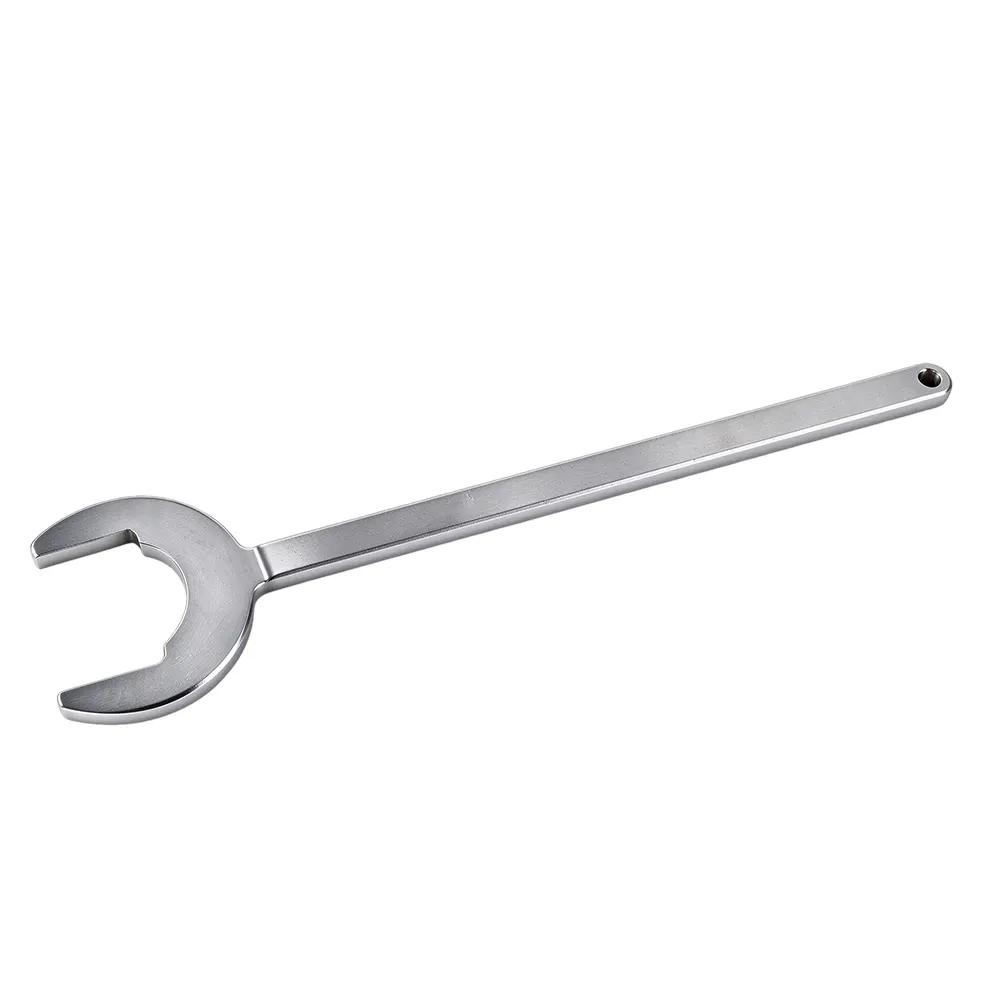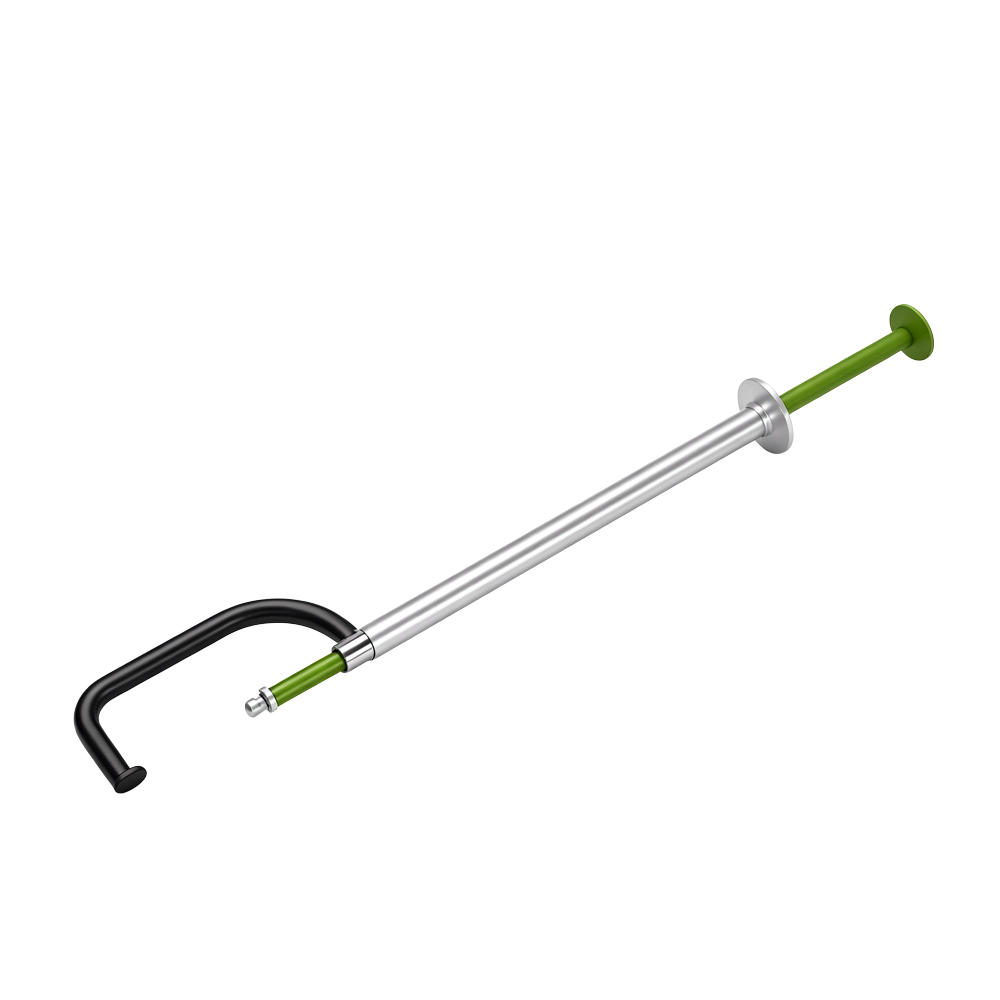
To choose a bearing puller, identify where the bearing is fitted, find a sound surface the tool can grip, and measure the space available for the jaws and spindle. Check force capacity only after those conditions are satisfied. A larger puller is not a useful upgrade if its jaws cannot reach the bearing or its reaction point cannot be supported.
For automotive tool distributors and workshop buyers, the practical question is which removal jobs a kit can cover with its supplied parts. This guide turns that question into a specification you can use when comparing bearing puller sets.
Start with the assembly, not the puller’s tonnage
Record whether the bearing sits on a shaft, inside a housing, or in a wheel-bearing assembly. These arrangements create different access and support requirements. Also establish whether the old bearing will be discarded. A method acceptable for removing a failed bearing may be unsuitable when the bearing must remain serviceable.
| What you can see | Tool family to evaluate | First fit check |
|---|---|---|
| Bearing on a shaft with accessible rear face | External jaw puller | Jaw-tip clearance and a suitable spindle reaction point |
| Bearing close to a shoulder with limited rear access | Separator and compatible pulling bridge | Separator edge access and support behind the intended ring |
| Bearing recessed in a housing | Internal puller or application-specific extractor | Actual engagement feature, bore and extraction space |
| Press-fit wheel bearing in a knuckle | Matched press or screw-driven cup system | Supported housing and correct driver/receiver combination |
The table narrows the tool family; it does not establish vehicle compatibility. The vehicle procedure and the individual tool’s application instructions still determine the permitted method.
Measure spread, reach and rear clearance separately
Spread describes the opening needed to grip the component. Reach concerns how far the jaws must extend to the gripping surface. Rear clearance is the gap available for the jaw tip or separator edge. All three can prevent a nominally suitable puller from fitting.
Ask for a dimensioned drawing rather than comparing catalogue photographs. Different suppliers may show maximum spread at different jaw positions. Check that the required spread and reach are available together in the proposed configuration, not only as separate maximum figures.
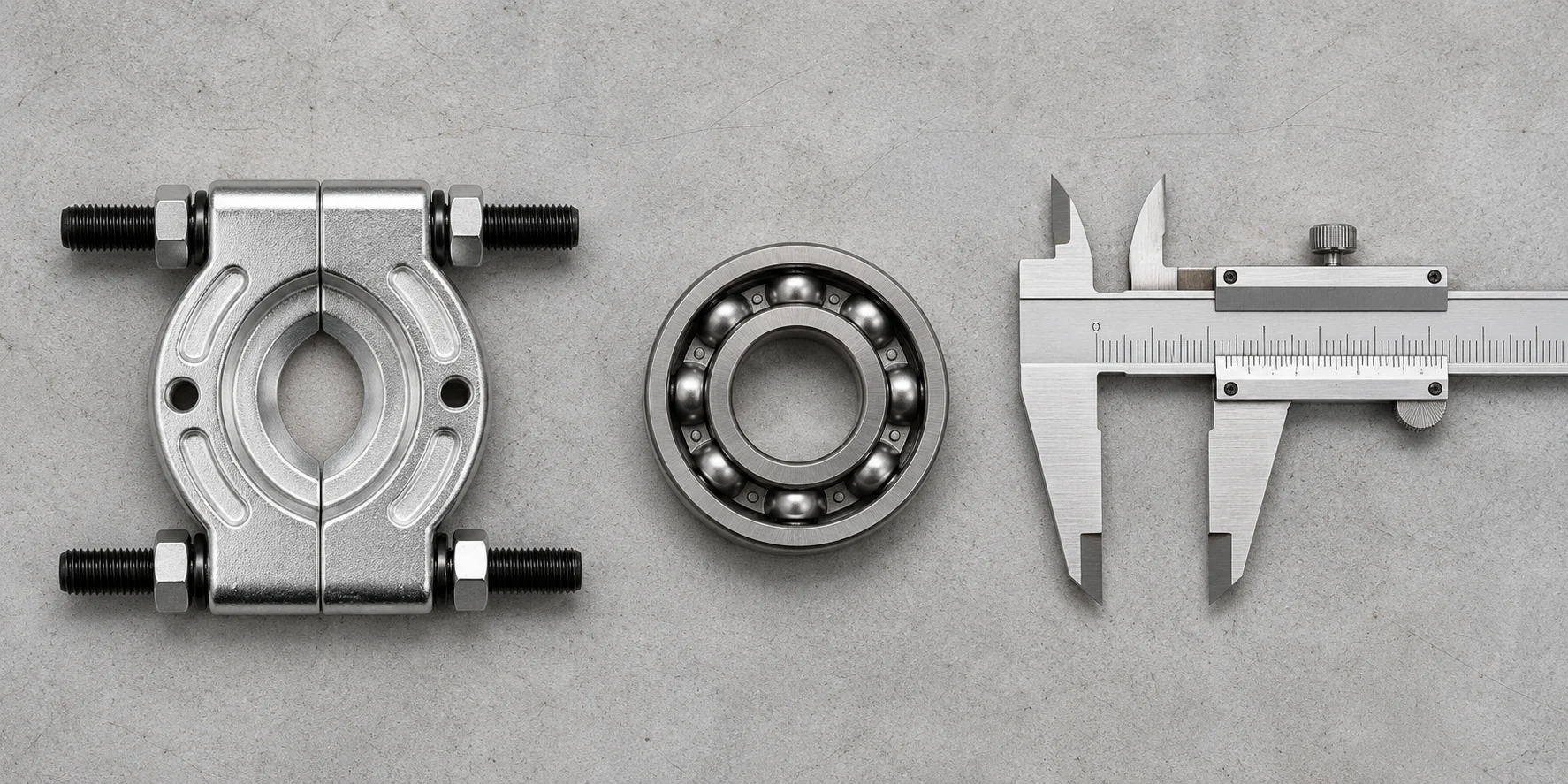
Include the space above the shaft end in your measurement. A long spindle may be convenient on the bench but inaccessible next to a body panel or gearbox casing. If an extension is required, confirm that it is part of the approved kit rather than assuming a longer rod can be substituted.
Decide how the tool will grip
Two or three jaws
A two-jaw arrangement may reach a component where a third jaw would hit surrounding structure. Three jaws can distribute contact around more of the circumference when the assembly provides suitable access. Neither is automatically preferable: the meaningful test is whether every jaw can engage securely and remain aligned throughout the removal travel.
Separator support
A separator provides a different way to reach behind a component. Its split plates are paired with compatible rods and a crossbar or another approved pulling arrangement. The VIKTEC bearing separator puller set is a starting point for evaluating that configuration. Request its working dimensions for the intended assembly.
Internal engagement
For recessed bearings, identify exactly what the internal tool can catch. A matching bore diameter alone does not prove that a collet can seat behind the bearing or that its engagement depth is sufficient. Photographs from the front and side of the assembly help distinguish a genuine gripping feature from an inaccessible gap.
Then compare drive type and capacity
Mechanical and hydraulic pullers generate force differently, but both need a compatible gripping arrangement and reaction point. A hydraulic rating does not compensate for a shallow grip, insufficient travel or an unsuitable shaft end. Compare the complete configuration, including jaws, extensions and any supplied hydraulic accessories.
As an example of how manufacturers separate these checks, Enerpac’s puller range distinguishes mechanical and hydraulic designs and publishes capacity by model. Those figures describe those products, not interchangeable ratings for another manufacturer’s tool.
A purchase brief that is more useful than “universal puller”
- Vehicle or component application, including the bearing reference if known.
- Removal location: shaft, through housing or blind recess.
- Required gripping diameter, reach and clearance behind the component.
- Photographs showing the intended contact and reaction surfaces.
- Whether the bearing, shaft and housing must be preserved.
- Preferred drive type, workshop frequency and available working space.
- Required replacement jaws, spindles, collets and case identification.
For a distributor range, group requests by removal geometry before deciding kit size. A compact separator kit and a dedicated internal extractor may cover two distinct customer needs more clearly than a large assortment with poorly documented applications.
Frequently asked questions
Can one universal bearing puller cover every automotive bearing?
No. “Universal” normally describes adjustability within a stated range. It does not remove limits involving access, bearing construction, support points or vehicle-specific procedures. Compare the actual adapter list and drawings with the jobs your customers perform.
Should I choose a puller by bearing outside diameter alone?
No. Outside diameter is useful for some external gripping arrangements, but reach, jaw thickness, the available gripping face and the spindle position must also match. Internal extraction may instead depend on bore size and the space behind the bearing.
When should a workshop consider a press kit instead?
Consider a press arrangement when the approved procedure calls for the component to be driven through a supported housing or knuckle. Confirm the driver, receiving cup and access requirements; a general puller and a wheel-bearing press kit are not automatically substitutes.
What information should an importer send VIKTEC first?
Send the target applications, photographs or drawings, required size range and expected order mix. Contact VIKTEC to compare suitable kit configurations and discuss branding, packaging or replacement parts. Compatibility and commercial terms should be confirmed for the selected item.