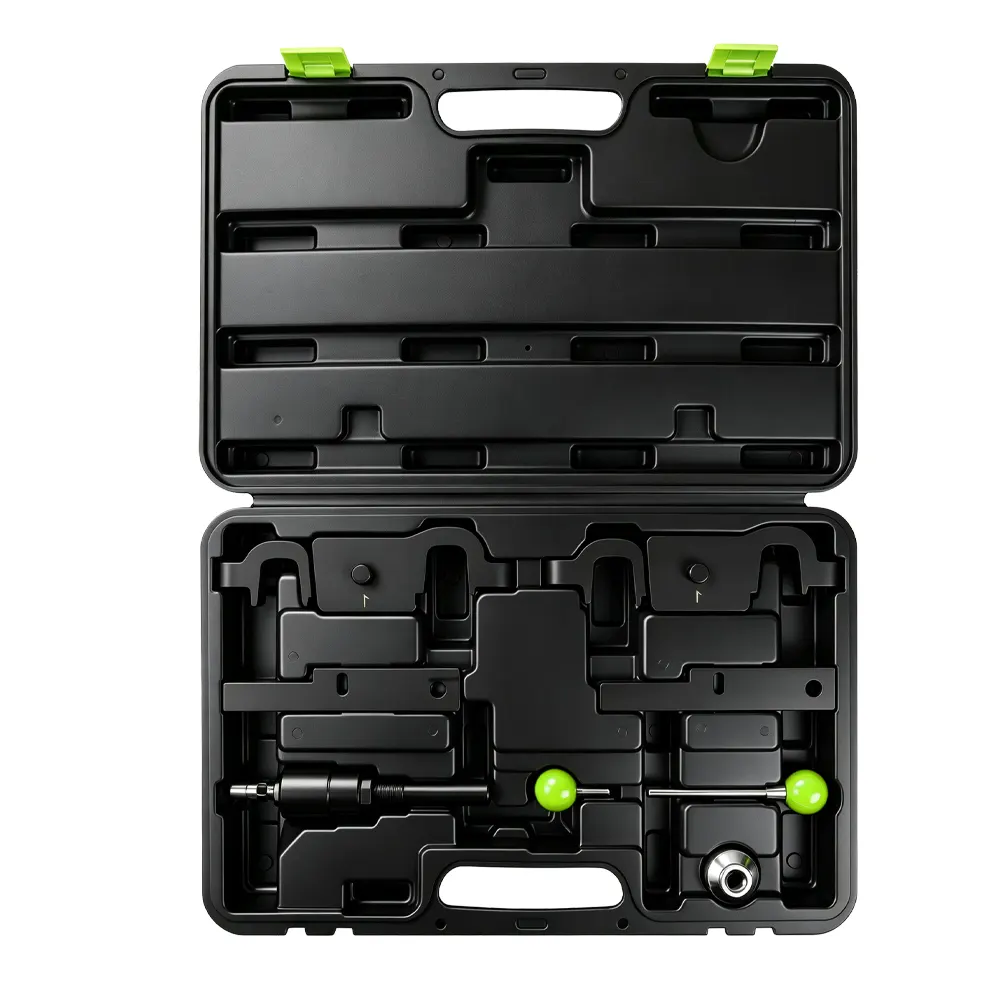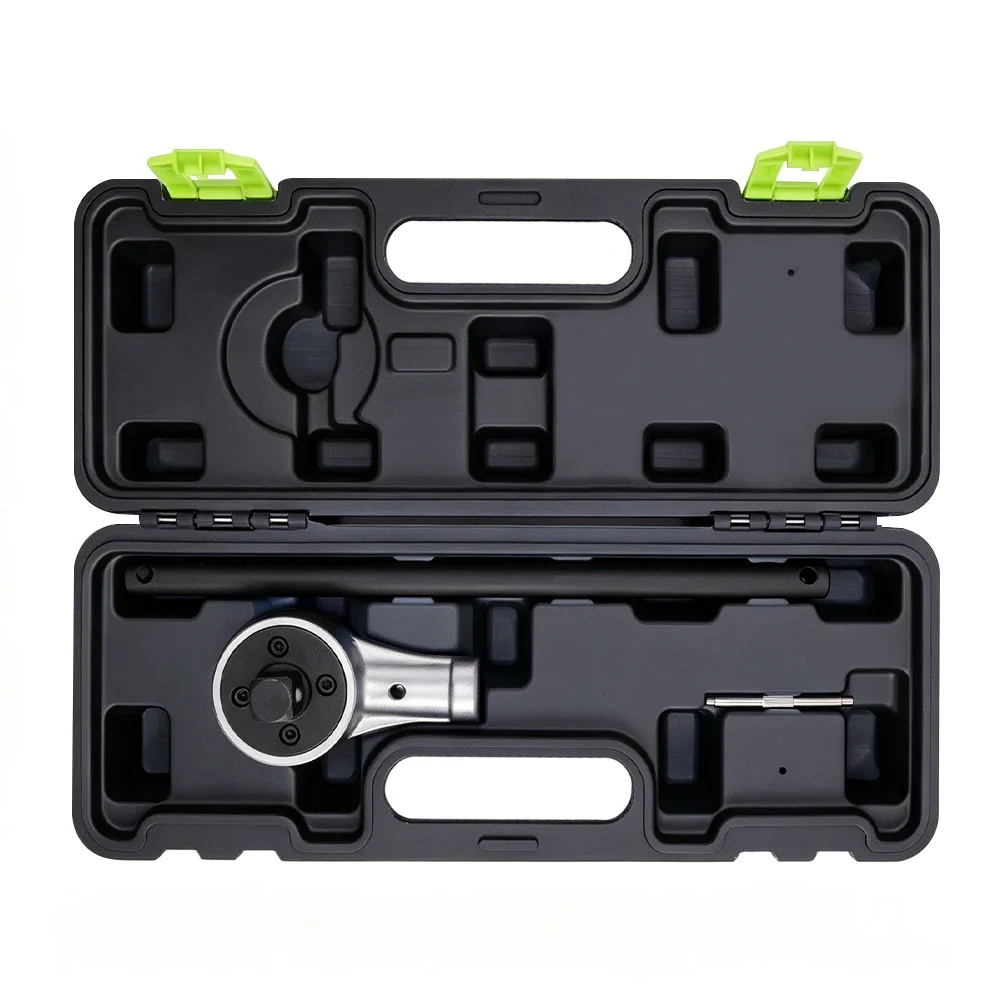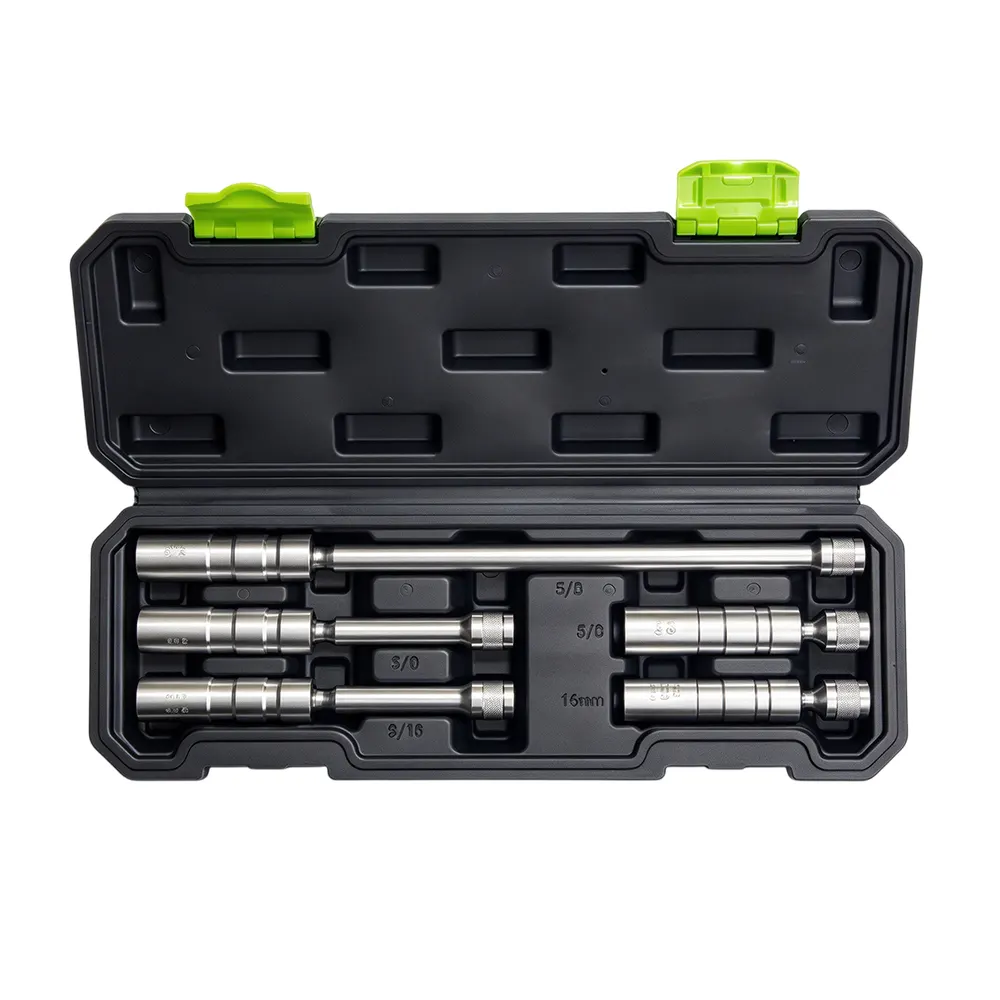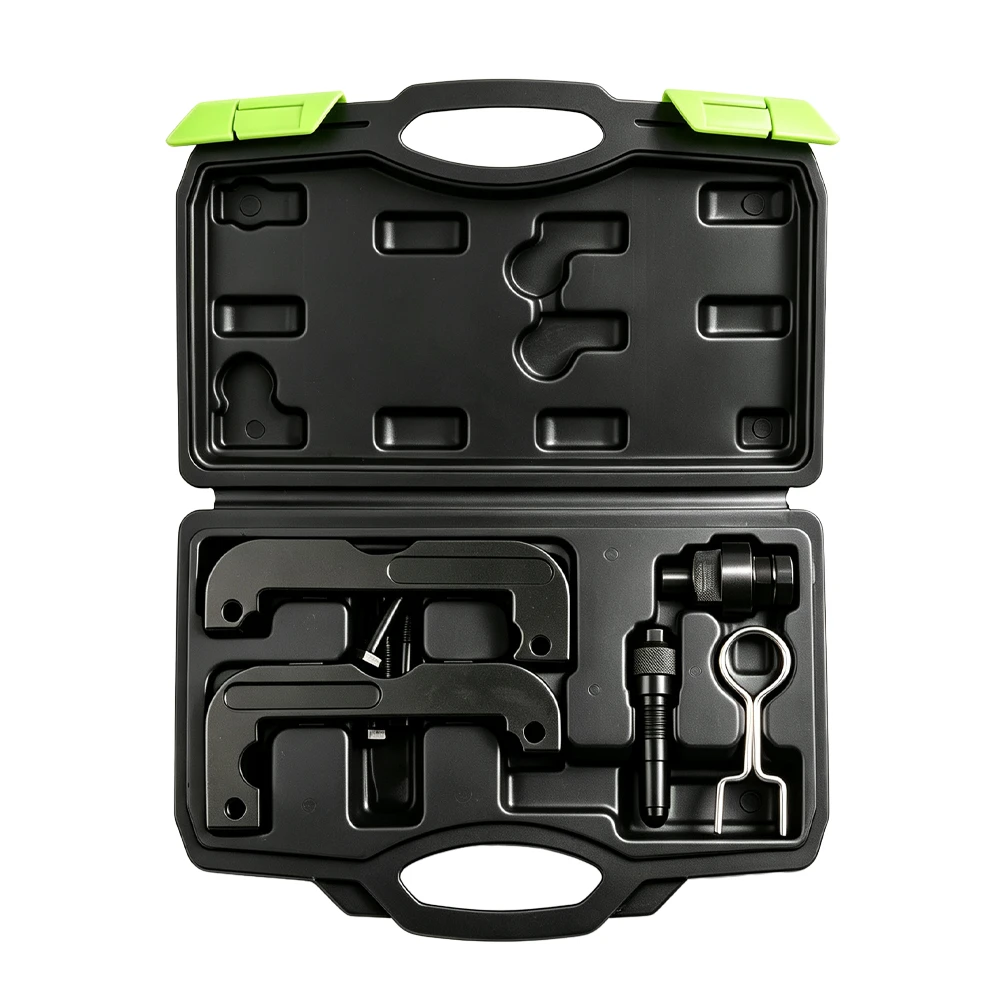
For a screw-in ball joint, specify a socket or other drive tool that engages the threaded housing. For a press-in ball joint, specify a press with the removal and installation adapters called for by the service procedure. Both styles may still need a separator to release the tapered stud. Ask how the housing is retained before quoting any of these tools.
This distinction matters when an importer or workshop supplier receives a request for a “ball joint remover.” That description could mean a tool for three different connections. Get the vehicle, axle, joint position and replacement-part reference first. The aim is to quote the tools needed for the whole job and avoid sending a press to a customer who needs a socket.
Identify the mounting method at the housing
Look at the connection between the ball joint body and the arm or knuckle. A screw-in housing engages mating threads. It generally has an external driving feature, such as a shaped flange or slots, for the corresponding tool. A press-in housing is fitted into a bore with interference; its design may also have a retaining ring or another feature specified by the vehicle maker. Threads on the stud do not identify a screw-in housing. A stud nut is part of a different connection.
The most useful evidence is the vehicle service procedure for the exact suspension position, supported by a replacement-joint drawing or a clear photograph. A view from below can hide the mounting face, and rust or undercoating can obscure the body. Ask for both faces of the assembled part when available. A photograph of a loose replacement can show the housing profile, but it cannot establish how the part is serviced or whether the replacement is correct for the vehicle.
Keep bolt-on, riveted and non-serviceable assemblies out of this two-way comparison. If the service information calls for replacing the complete arm, a socket or press quotation does not make the joint independently serviceable. Treat a missing answer about retention as an open application question. Do not choose the tool from the badge, body style or model year alone.
Use this table to route a quote
| Confirmed connection | Tool to shortlist | What still needs checking |
|---|---|---|
| Threaded joint housing | Application-specific socket or drive tool | Drive profile, housing clearance, thread direction and the manufacturer’s service procedure. |
| Press-fit joint housing | Approved press configuration with drivers and receivers | Removal direction, contact faces, clearance, travel and any retaining hardware. |
| Tapered stud connection | Separator specified for the joint and surrounding assembly | Access, the force reaction point and any requirement to protect the joint or boot. |
| Housing retention not established | Hold the tool recommendation | Request the joint reference, assembly drawing and service-tool callouts. |
One manufacturer’s catalogue illustrates the split. OTC describes its 8033 Chrysler ball joint socket for a particular screw-in application. Its 7249 ball joint service kit is described for press-fit parts and lists separate receiver tubes and adapters. These are examples of different tool functions, not interchange references for VIKTEC products. They also show why a brand name on the vehicle is a poor substitute for checking the exact joint.
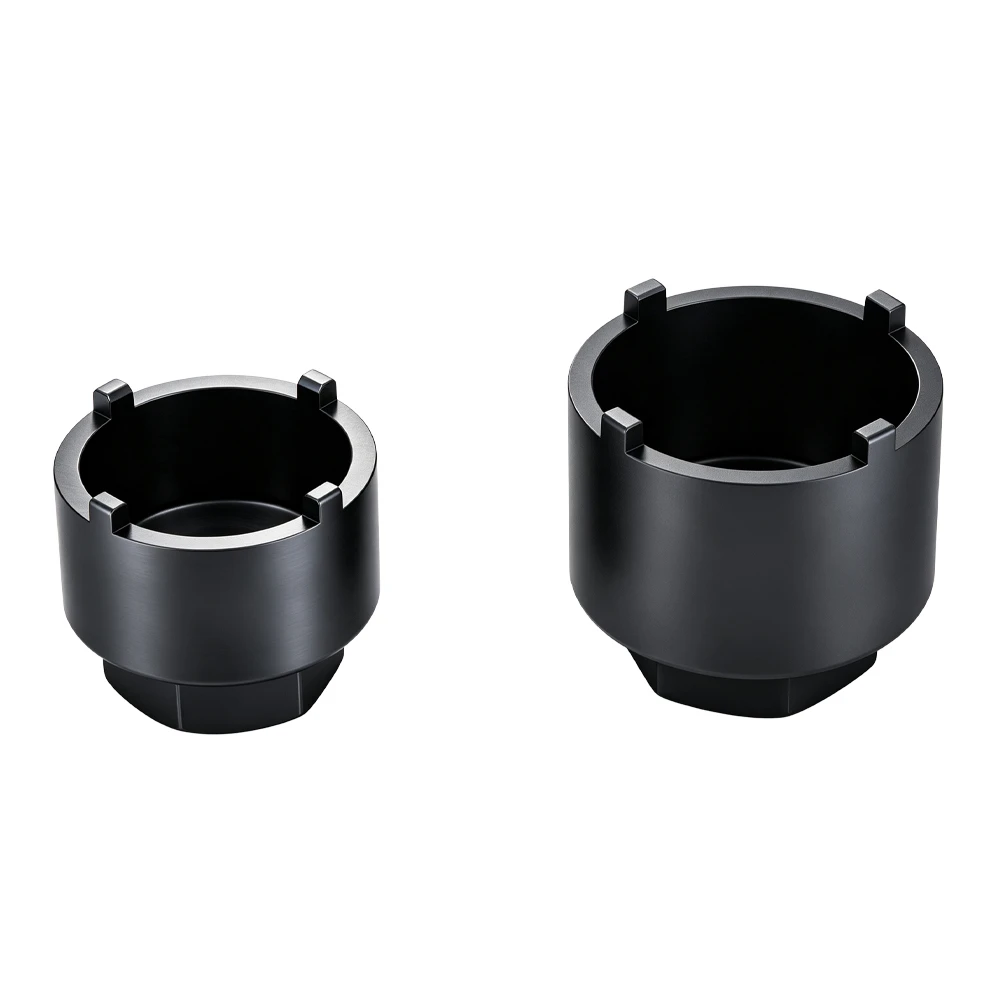
Screw-in joints: specify what the socket drives
Start by identifying the housing’s drive profile. Record the number and shape of any engagement features and the dimensions used by the tool drawing. Do not use the socket’s square drive size as the measurement for the joint. Square drive describes the connection to the handle or wrench; the socket’s working end must match the ball joint body. Two sockets with the same square drive can have entirely different applications.
Ask whether the socket can reach the housing fully in the specified service position. The stud, boot or surrounding arm can obstruct engagement even when the profile looks right in a catalogue image. A customer who quotes a nominal diameter may have measured the body rather than the feature the socket engages. Request a dimensioned view or a known service-tool reference, particularly for a repeat order in which the supplier offers a visually similar replacement.
Thread direction and locking or retention details belong to the vehicle documentation. Do not infer direction from the side of the vehicle or give a common breakaway or installation torque for all threaded joints. Ask separately about the approved drive method. A socket that accepts a power tool physically is not automatically approved for impact use, and removal instructions do not establish a torque for installation.
The VIKTEC VT01936 lower ball joint socket set is an example of a dedicated socket listing for selected Citroën and Peugeot applications. Treat that listing as a starting point. Confirm the joint, the tool’s working profile and the application before quoting it to a customer. Do not infer coverage of every model named in the product family or substitute a generic socket based on one measurement.
Press-in joints: quote the force path and clearance as a set
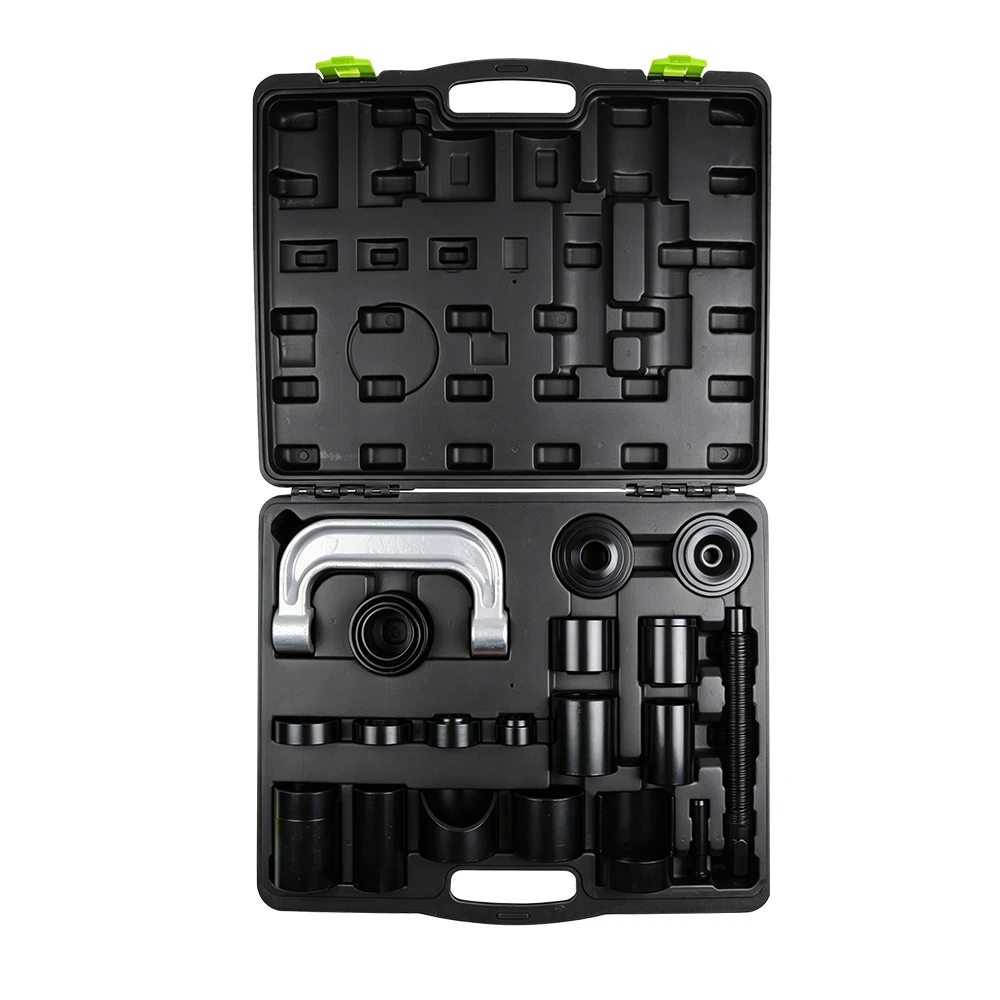
A C-frame applies force between two ends of a tooling stack. The press is only one part of that stack. A receiver has to let the joint move while reacting against the correct surface. The driver needs to bear against the specified part of the housing. If an adapter contacts the boot, stud or an unsupported section of the arm, the arrangement may be wrong even if the frame closes around the assembly.
Ask for the removal and installation arrangements separately. The old part may have a different accessible face from the new one, and an adapter used as a receiver in one direction may not be suitable in the other. Retaining hardware and the direction of travel come from the vehicle procedure. At the initial enquiry, identify the mounting style and whether the buyer already owns a compatible frame before collecting detailed adapter dimensions.
Quote by configuration. If a customer asks for a “press kit,” establish whether they need the frame, only the vehicle adapters or both. For a replacement adapter, ask for the frame model and revision as well as the dimensions. Similar cup diameters are not proof of compatibility with a different frame or tooling system. VIKTEC’s VT01209 press tool kit is a press-side catalogue option to check against the required applications. Confirm the supplied pieces and permitted use before putting them on a packing list.
Keep the taper separation line on the enquiry
The tapered stud connects the ball joint to another suspension part. Separating that connection gives access or releases the assembly, but it does not disengage the housing threads or move a press-fit body out of its bore. Some jobs therefore call for two tools: a separator for the stud and a socket or press for the body. In other cases, the customer may need only to separate the taper for another service operation.
Ask which parts will be reused and what clearances are available around the stud. Specify the separator from the vehicle procedure and tool instructions. Do not assume that a tool chosen to separate the taper is also suitable for fitting a housing. Record the two operations under different lines on the quotation so the customer can see which tools are already available in the workshop.
Turn incomplete enquiries into a usable application record
For a multi-market assortment, note the market on the vehicle record rather than treating a model name as global. Keep any disputed application separate from the quantities already supported by the evidence, so the rest of the quotation can move forward.
Consider two illustrative trade enquiries. The first buyer sends only a photo showing a threaded stud and asks for a screw-in socket. The answer is to request a view of the housing or the service-tool reference. There is no basis yet for choosing the socket. The second buyer specifies a confirmed press-fit housing and already owns a C-frame. That is enough to begin looking for adapters, but not enough to quote them as compatible. Record the frame model, the approved tooling arrangement and the part that the driver and receiver must contact.
In another common situation, the replacement catalogue shows two joints under one vehicle model. Ask the customer to identify the fitted arm or knuckle and the relevant joint position. Keep the variants as separate rows even if the final quotation uses the same tool. That gives sales and returns staff a way to trace why the fitment was accepted. When the buyer provides a photo later, attach it to the same row instead of replacing the original part reference with an informal description.
- Vehicle and suspension: market, model and year, axle, side where relevant, and upper or lower joint position.
- Part and operation: replacement-joint reference, housing retention, and whether the job includes taper separation, removal or installation.
- Tool interface: service reference, socket profile or press configuration, frame already owned, and any access restrictions.
- Order: quantities by SKU, replacement pieces to quote separately, labelling needs and destination market.
When approving a sample, compare its marked components with the bill of materials and the confirmed tooling arrangement. Take photos of the working faces and markings, so a later shipment can be checked against the same reference. Do not replace an unverified fitment claim with a broad “universal” label. Browse the ball joint tool range or send VIKTEC the application and quantity list for a trade quote.
Buyer questions
How should a distributor handle a tooling change for the same vehicle application?
Keep the previous approval and its reference material, then open a new revision for the changed tooling. Compare the working end, access envelope, allowed service operation and written parts list. A socket with a different body may interfere with the suspension even if the driving end is unchanged. A new driver or receiver may also alter the working length of the press configuration. Record the specific evidence that permits the change before substituting it for an existing customer order.
If the revised product is approved for only part of the old application list, keep both rows or amend the coverage to reflect the difference. Give the sales team a clear way to distinguish old stock from the revised item. The update is complete when the fitment evidence, catalogue entry and physical stock identification agree.
What if the parts drawing does not show how the housing is retained?
Request the suspension service procedure or a tool reference for the exact assembly. A drawing that shows only the stud, nut and boot cannot confirm the housing retention. Keep the item open until you can distinguish the operations.
Is a replacement ball joint socket interchangeable if the drive and outer diameter match?
Those dimensions are insufficient. Compare the working profile and engagement depth, and confirm the specific housing and access conditions. Square-drive size establishes only which drive connection fits the socket.
Can a press kit and a screw-in socket be stocked under one application?
Stock them as separate tool types with separate fitment notes. A distributor may need both across its customer base, but each job should be assigned the tool that matches its verified retention method and service procedure.