Automotive Pistons Guide: Car Piston Types, Function & Replacement
Why Does a Car Piston Cause Power Loss, Oil Burning, or Engine Knock?
A worn or incorrect engine piston rarely fails alone. It usually affects compression pressure, oil control, combustion sealing, and even the cylinder wall. The problem starts with small symptoms: blue smoke, knocking noise, unstable idle, high oil consumption, or weak acceleration. If ignored, the damage can expand to piston rings, cylinder liner, connecting rod bearings, and the crankshaft system. For repair shops, distributors, and aftermarket tool buyers, the real pain is not only replacing the piston. It is choosing the right piston type, checking the correct clearance, and using proper service tools before the engine returns to the road.
The best car piston selection depends on engine type, bore size, piston material, ring design, thermal expansion, and OE repair specifications. VIKTEC supports professional automotive repair tool buyers with engine service tools, OEM and ODM packaging options, and Customizable product solutions for global aftermarket channels.
This guide explains how automotive pistons work, why piston design matters, and what should be checked during replacement. It is written for professional buyers, repair tool distributors, workshop equipment Supplier channels, and technical teams who need clear product knowledge for engine service applications.
Automotive Piston Technical Guide for Repair, Inspection, and Replacement
What Is a Car Piston? Automotive Piston Explained
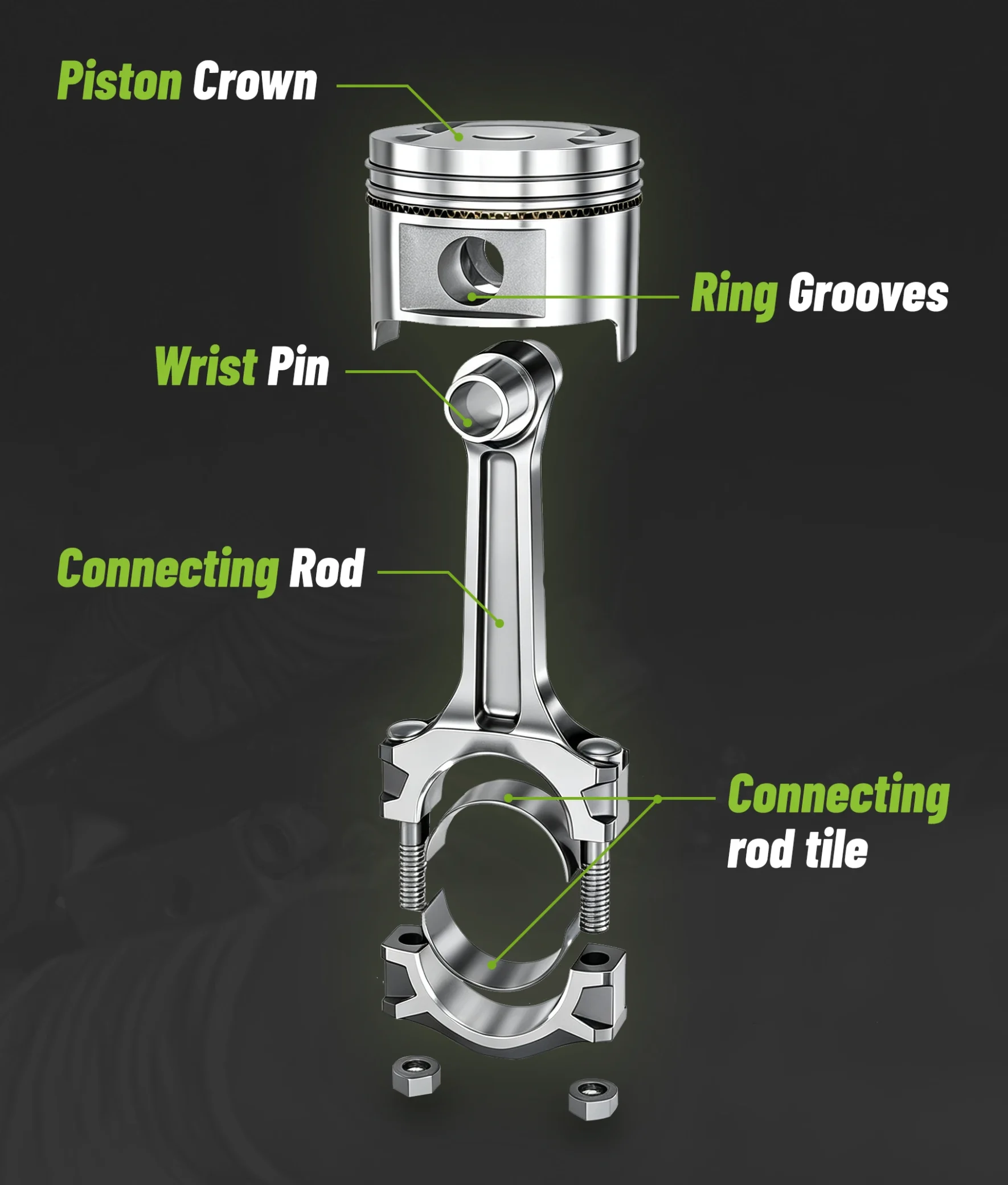
A car piston is a precision moving component inside the engine cylinder. It moves between top dead center TDC and bottom dead center BDC during the engine cycle. Its top surface, called the piston crown, receives combustion pressure. The piston body guides movement inside the cylinder, while the piston skirt helps stabilize side thrust. The wrist pin, also called a piston pin, connects the piston to the connecting rod.
In a typical internal combustion engine, the piston does not work as a single part. It works with compression rings, oil control rings, the cylinder wall, connecting rod, crankshaft, lubrication system, and cooling system. The piston must withstand repeated high temperature, gas pressure, friction, and thermal expansion. This is why piston material, machining accuracy, coating, ring groove condition, and clearance are critical during repair.
| Piston Type | Common Application | Main Advantage | Repair Attention Point |
|---|---|---|---|
| Cast aluminum piston | Standard passenger vehicles | Good cost control and stable mass production | Check skirt wear, cracks, ring groove carbon, and correct bore matching |
| Hypereutectic piston | Modern gasoline engines and selected performance applications | Lower thermal expansion and good wear resistance | Requires correct installation clearance and careful detonation control |
| Forged aluminum piston | High load, turbocharged, racing, or modified engines | Higher strength under heavy combustion pressure | Usually needs more careful clearance control due to expansion characteristics |
Main Functions of an Engine Piston
The first function of an engine piston is to convert combustion pressure into mechanical force. When the air-fuel mixture burns, expanding gas pushes the piston downward. This force passes through the wrist pin and connecting rod to rotate the crankshaft.
The second function is sealing. The piston itself does not create a perfect seal. The piston ring pack helps seal the combustion chamber, reduce blow-by, transfer heat to the cylinder wall, and control oil film thickness. If the rings are worn, stuck, incorrectly gapped, or installed in the wrong direction, the engine may show low compression, oil burning, poor power, and excessive crankcase pressure.
The third function is heat management. The piston crown absorbs heavy heat from combustion. Heat then moves through the piston body, rings, cylinder wall, engine oil, and cooling system. For this reason, technicians should not only replace the piston. They should also check ring end gap, piston-to-wall clearance, cylinder roundness, surface finish, lubrication condition, and possible overheating marks.
| Inspection Item | Why It Matters | Typical Risk If Ignored |
|---|---|---|
| Piston-to-wall clearance | Controls expansion space and piston movement stability | Piston slap, seizure, scuffing, or poor sealing |
| Ring end gap | Allows ring expansion at operating temperature | Ring butting, cylinder scoring, low compression, or oil burning |
| Cylinder bore wear | Confirms whether the new piston can seal correctly | Repeat failure, blow-by, poor compression, and oil consumption |
| Connecting rod alignment | Keeps piston travel stable inside the bore | Side wear, abnormal noise, uneven skirt marks, or bearing stress |
How Does a Piston Move Automatically in an Engine?
A piston does not move by itself. It moves because the engine cycle creates controlled pressure changes inside the cylinder. In a four-stroke engine, the piston moves through intake, compression, power, and exhaust strokes. During intake, the piston moves downward and helps draw air or air-fuel mixture into the cylinder. During compression, it moves upward and compresses the mixture. During the power stroke, combustion pressure pushes it downward. During exhaust, it moves upward again to help expel burnt gases.
The crankshaft and connecting rod convert this reciprocating motion into rotary motion. Once the engine is running, crankshaft inertia, flywheel effect, valve timing, fuel injection, ignition, and combustion pressure work together to keep the cycle continuous. However, this movement depends on accurate mechanical condition. Wrong timing, poor lubrication, piston scuffing, ring sticking, or cylinder wear can disturb the motion and cause serious engine damage.
Replacement Considerations for Professional Repair and Aftermarket Buyers
For professional engine repair, piston replacement should follow OE service manual specifications, not visual judgment only. Technicians should confirm the engine code, bore size, oversize requirement, ring set specification, pin size, compression ratio requirement, and installation direction. The piston crown mark, valve relief position, ring orientation, and oil hole cleanliness must be checked before final assembly.
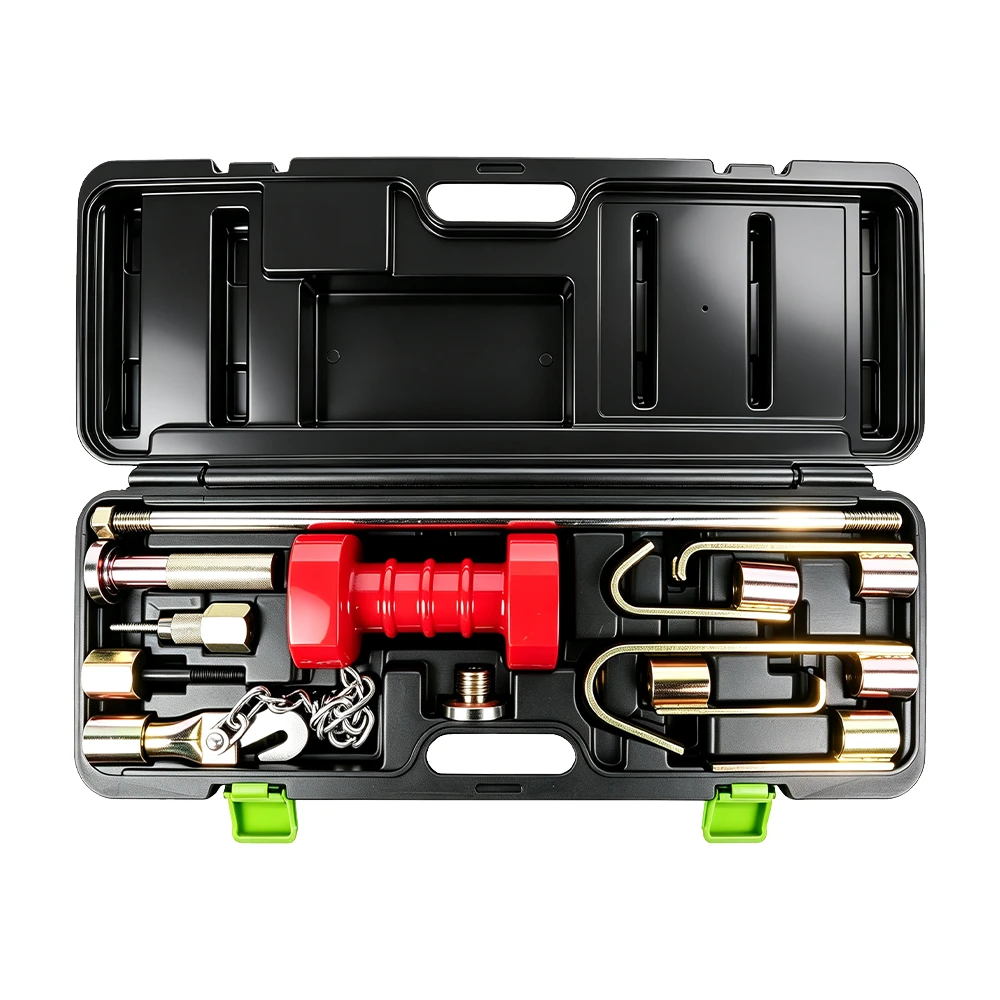
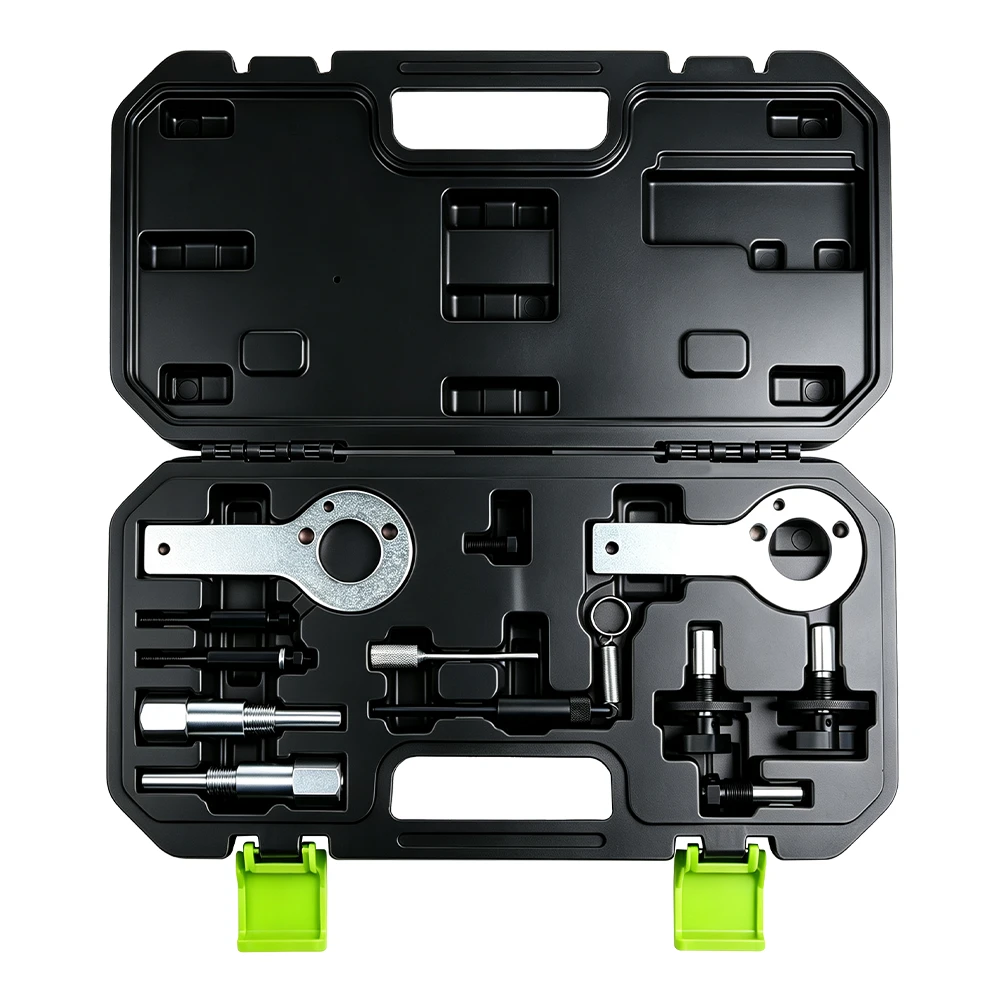
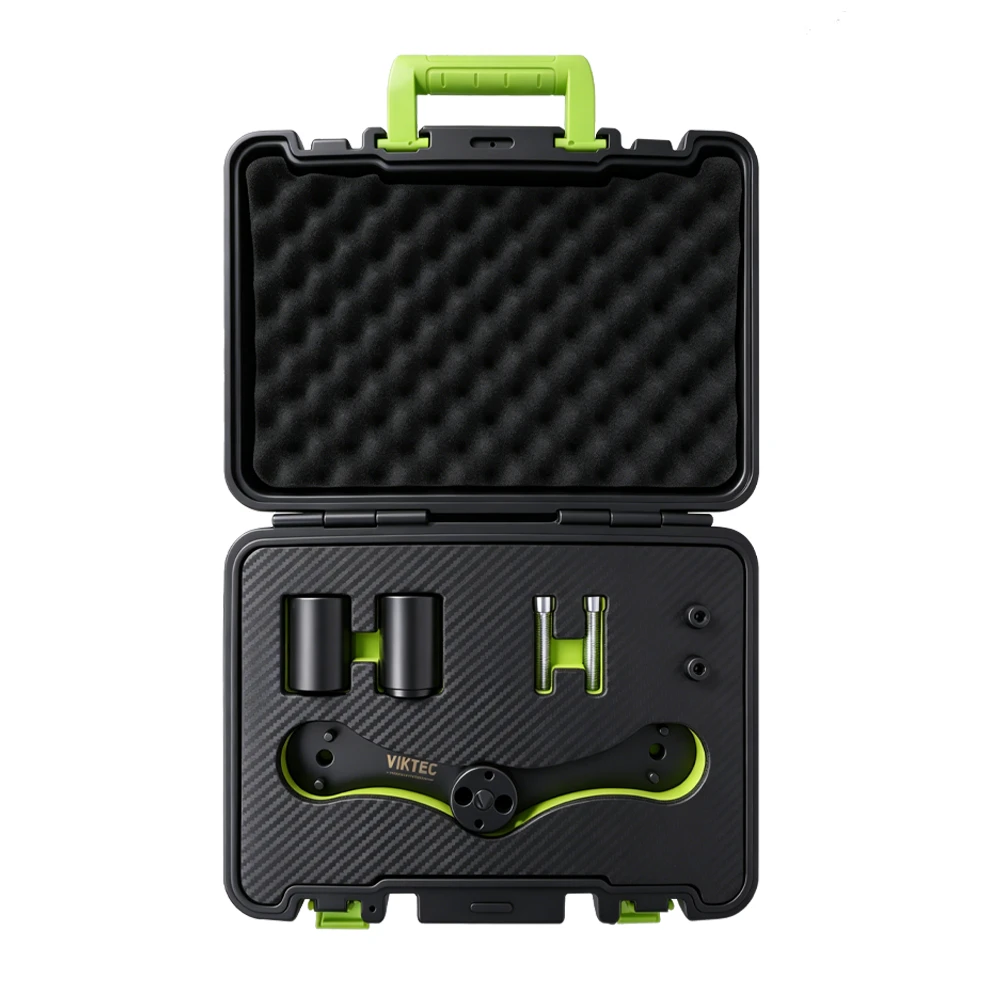
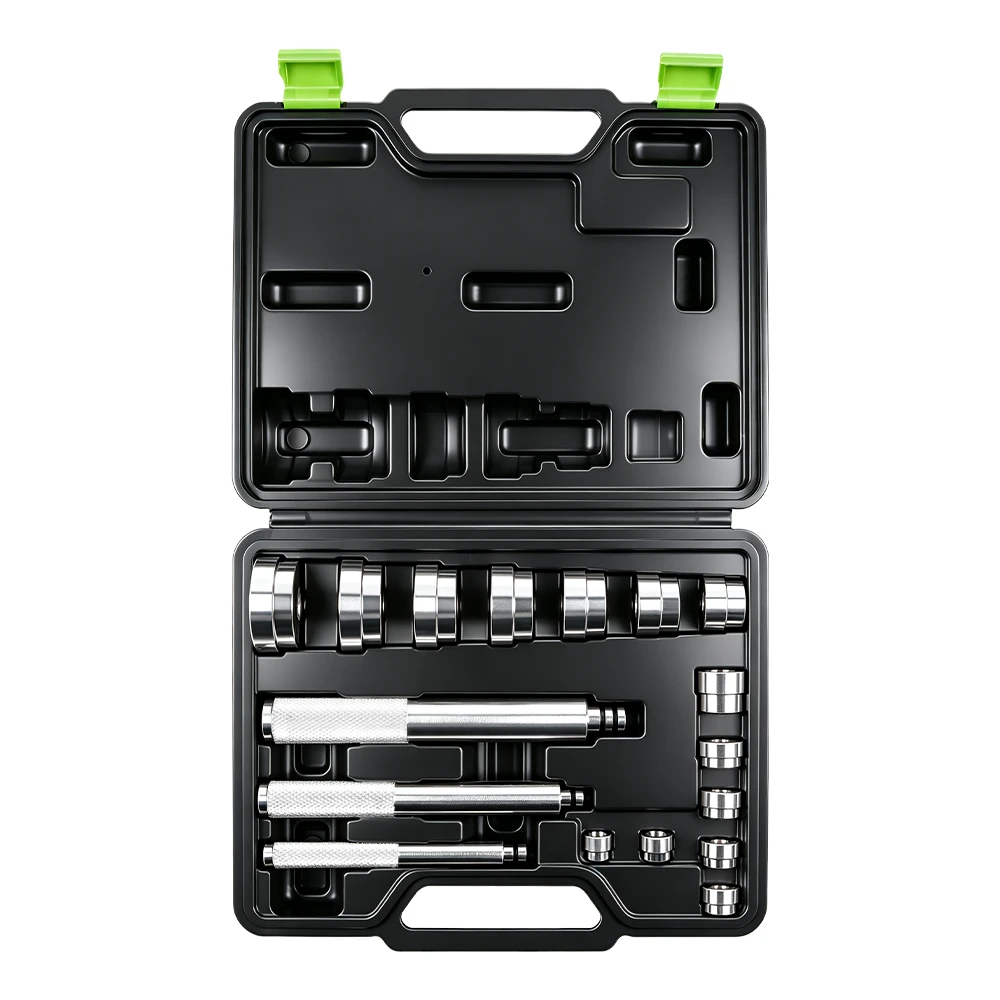
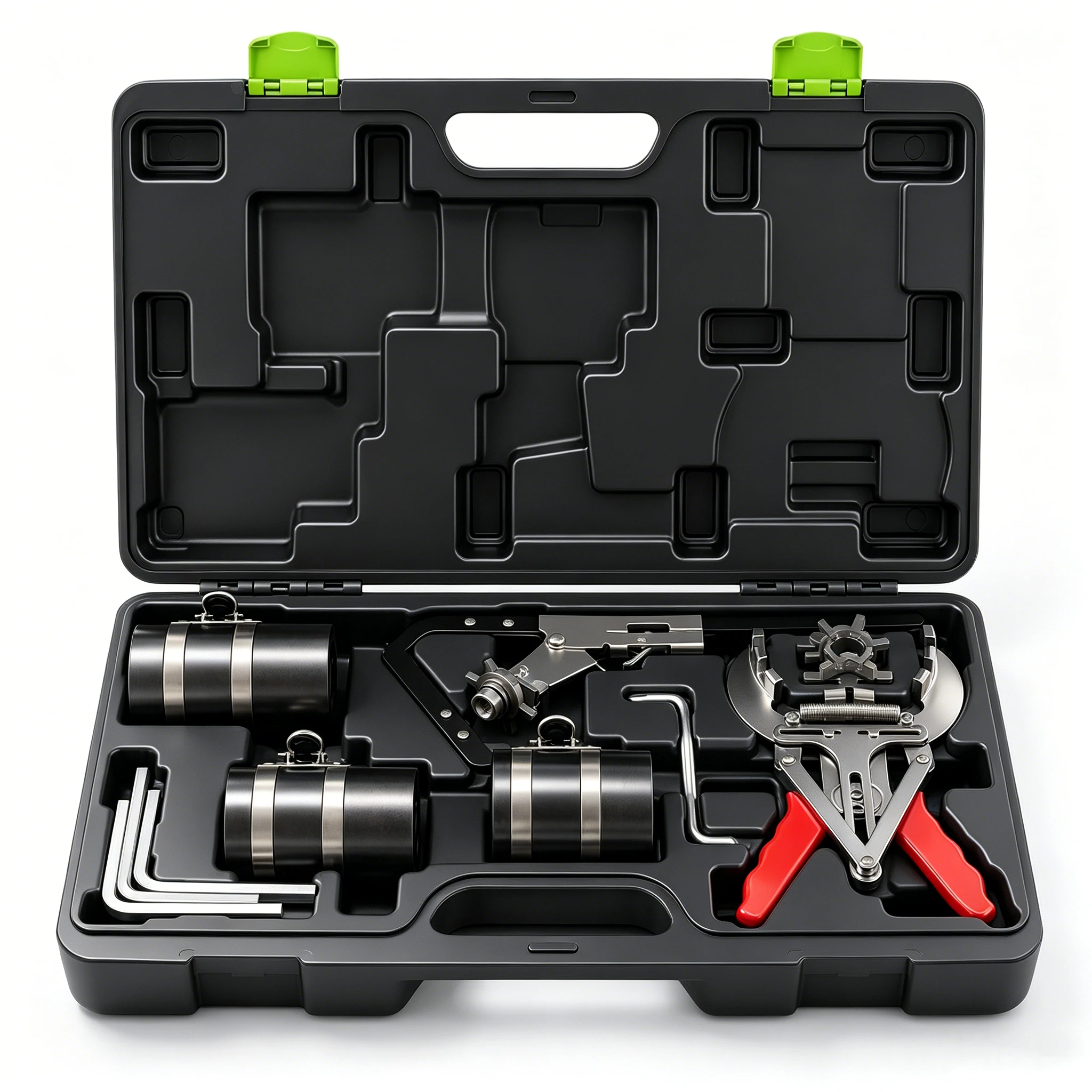
For aftermarket buyers, piston-related service also creates demand for special tools. Engine timing tools, piston ring compressors, cylinder bore measuring tools, valve service tools, oil service tools, pullers, and workshop hand tools are often purchased together for engine repair programs. As a professional automotive repair tool Manufacturer and Supplier, VIKTEC can support importers, distributors, tool brands, and workshop equipment channels with product line expansion, OEM packaging, ODM project support, private label options, barcodes, manuals, and Customizable packaging solutions.
Conclusion
A piston is small, but it controls compression, power transfer, oil control, and engine reliability. For engine repair tool sourcing, contact VIKTEC to discuss suitable engine service tools, OEM packaging, ODM support, and product line expansion for your market.